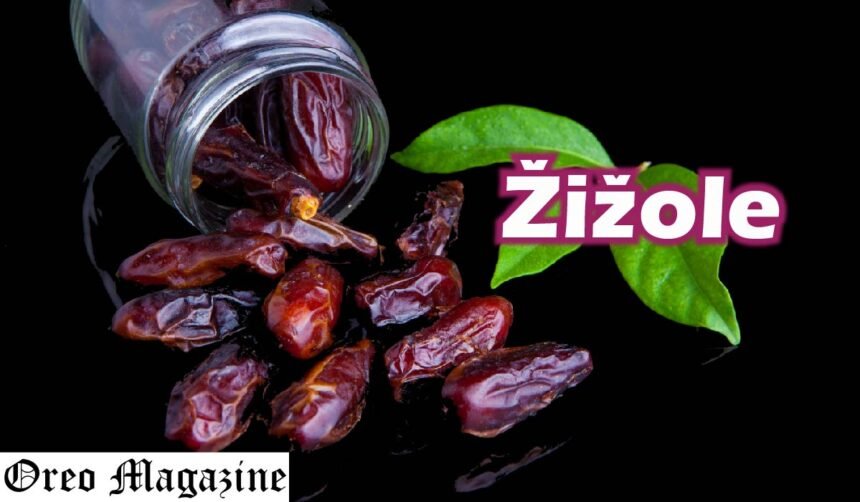
Žižole is a fascinating fruit with deep cultural roots and impressive nutritional value. Many people recognize it as jujube, Chinese date, or red date. Its botanical name is Ziziphus jujuba. Although the fruit appears small and ordinary, it carries a unique mix of flavor, wellness benefits, and culinary versatility. Fresh fruit tastes crisp and mildly sweet, while ripe fruit develops a richer and softer texture. Because of this transformation, the same fruit delivers two distinct eating experiences. Today, many health-conscious consumers include it in teas, desserts, snacks, and traditional recipes. In addition, nutrition experts value it for antioxidants, vitamin C, minerals, and dietary fiber.
What Is Žižole?
Žižole grows on a resilient tree that belongs to the buckthorn family. This tree survives harsh weather, dry climates, and poor soil conditions. Therefore, farmers often cultivate it in warm regions with limited rainfall. The fruit usually remains small, smooth, and round with a single seed inside. Before ripening, the skin stays green or pale yellow. Later, it changes into reddish-brown shades with a wrinkled appearance. Fresh fruit feels crunchy and juicy, whereas dried fruit becomes chewy and naturally sweet. Many people compare dried fruit to candy because of its pleasant taste. Despite its nickname, Chinese date, it does not belong to the same family as true dates.
Origin and History of Žižole
Žižole has existed for thousands of years across Asia and nearby regions. Ancient Chinese civilizations cultivated it for nourishment and wellness practices. Over centuries, traders introduced the fruit to the Middle East and Mediterranean territories. Later, families in Croatia, Slovenia, and Italy adopted it into local traditions. Because the fruit stores well after drying, it became useful during colder months. Communities prepared it in teas, preserved it in syrups, and enjoyed it as a sweet snack. Traditional healers also used it in calming remedies and digestive preparations. As a result, the fruit earned symbolic links with vitality, longevity, and comfort.
Nutritional Value of Žižole
Žižole contains several nutrients that support a balanced lifestyle. Fresh fruit offers vitamin C, water, fiber, and beneficial plant compounds. It also supplies potassium, antioxidants, and small amounts of iron. Vitamin C supports skin health and immune defense. Fiber encourages better digestion and promotes fullness after meals. Potassium contributes to normal muscle and nerve function. Meanwhile, antioxidants help protect body cells from oxidative stress. Dried fruit contains concentrated natural sugars because water content decreases during drying. Therefore, moderate portions remain important. Still, both fresh and dried forms fit comfortably into healthy eating habits.
Nutritional Table of Žižole
| Nutrient | Main Benefit |
|---|---|
| Calories | Provide natural energy |
| Vitamin C | Supports immunity and skin |
| Fiber | Helps digestion and fullness |
| Potassium | Supports heart and muscles |
| Iron | Assists healthy blood function |
| Antioxidants | Protect cells from stress |
Health Benefits of Žižole
Žižole supports wellness in several natural ways. First, vitamin C helps maintain a strong immune response. Antioxidants also support the body against daily environmental stress. Additionally, fiber promotes healthy digestion and regular bowel movements. Potassium contributes to balanced blood pressure and fluid regulation. Many people also appreciate the fruit for its calming qualities. Warm herbal drinks prepared from dried fruit create soothing evening routines. Although the fruit cannot replace medical treatment, it can support healthier daily habits. Furthermore, antioxidants and vitamins contribute to healthy-looking skin and overall vitality.
Žižole for Immunity and Antioxidant Protection
Many people choose žižole because of its antioxidant profile and vitamin content. Vitamin C helps support immune cells and healthy tissue repair. Antioxidants work by reducing damage caused by unstable molecules inside the body. Therefore, foods rich in antioxidants remain important in balanced diets. Fresh fruit usually contains more vitamin C than dried fruit. For this reason, many people enjoy fresh fruit during warmer months. Dried fruit remains popular because it stores longer and delivers concentrated sweetness. Both forms provide useful nutrients and enjoyable flavor.
Žižole for Sleep and Relaxation
Traditional wellness systems often connect žižole with calmness and rest. Many households prepare herbal drinks using dried fruit, ginger, and cinnamon. These warm beverages create relaxing nighttime rituals. Additionally, caffeine-free tea can support peaceful evening habits. Researchers continue studying natural compounds found in the fruit. However, people should treat it as supportive nutrition rather than medicine. Even so, its comforting sweetness makes it a satisfying alternative to processed desserts before bedtime. Because of these relaxing qualities, many modern consumers include it in evening routines.
Also Read : Joguart Explained: Benefits, Nutrition and Daily Uses
How to Eat Žižole
Žižole offers many simple serving options for everyday meals. Fresh fruit can be washed and eaten immediately as a snack. Its crisp texture pairs nicely with salads and yogurt bowls. Dried fruit works well in oatmeal, baked goods, and homemade snack mixes. Many people also simmer dried fruit in hot water for herbal tea. For additional flavor, ginger, lemon, or cinnamon can be added. Some cooks include it in sauces, syrups, and chutneys. Others use it in savory dishes with roasted vegetables and spices. This versatility makes the fruit useful in both traditional and modern kitchens.
Best Žižole Recipes to Try
One of the easiest recipes involves making warm jujube tea. Simmer dried fruit in water for several minutes until sweetness develops naturally. Cinnamon or ginger creates deeper flavor and warmth. Another simple recipe combines chopped dried fruit with walnuts, almonds, and oats. This mixture creates a filling snack with natural sweetness. Fresh slices also taste delicious in yogurt parfaits and fruit salads. Homemade jam is another popular choice. Many people cook chopped fruit with lemon juice and small amounts of sugar. These easy recipes allow the fruit’s natural flavor to stand out beautifully.
Žižole vs Dates
Žižole and dates may appear similar after drying, yet important differences exist. Dates grow on palm trees and usually taste much sweeter. They also contain denser texture and higher sugar concentration. Fresh jujube fruit feels lighter, crunchier, and less sticky. In addition, fresh fruit contains vitamin C, unlike many dates. Dates provide fast energy because of higher natural sugar levels. Meanwhile, jujube fruit suits people seeking lighter sweetness and refreshing texture. Both fruits can support healthy diets when consumed sensibly. However, they differ significantly in flavor, nutrition, and culinary use.
Fresh vs Dried Žižole
Fresh and dried fruit each provide different advantages. Fruit remains juicy, crunchy, and mildly sweet. It works best in salads, snacks, and refreshing dishes. Dried fruit tastes richer and more concentrated because moisture disappears during drying. Therefore, dried portions should remain smaller. Dried fruit also lasts longer and travels easily. Many people use it in teas, baking, and trail mixes. Fresh fruit requires refrigeration for longer storage, while dried fruit keeps well in airtight containers. Both forms offer enjoyable taste and nutritional value.
How to Grow Žižole at Home
Žižole trees thrive in sunny and warm environments. They prefer soil that drains water effectively. Young trees need regular watering during early growth stages. Mature trees tolerate dry weather much better. Because of this durability, many gardeners appreciate their low-maintenance nature. Light pruning improves airflow and encourages healthy growth. Fruit usually ripens during late summer or early autumn. Climate and tree variety influence harvest timing. Common issues include pests, poor drainage, and insufficient sunlight. With proper care, the tree becomes productive and rewarding for home gardeners.
How to Select and Store Žižole
Choose fresh fruit with firm texture and smooth skin. Avoid fruit with mold, cracks, or soft areas. Slight color variation often indicates natural ripening. Dried fruit should appear plump and evenly textured. Extremely hard or stale-smelling pieces should be avoided. Fresh fruit stays best in cool conditions or refrigeration. Ideally, consume it within one or two weeks. Dried fruit should remain in sealed containers away from heat and moisture. Proper storage helps preserve texture, sweetness, and nutritional quality.
Side Effects and Precautions
Žižole remains safe for most individuals when eaten in moderate amounts. However, excessive intake may cause mild digestive discomfort because of fiber content. Dried fruit contains concentrated sugars, so portion control matters. People managing blood sugar levels should seek medical advice before frequent consumption. Individuals taking sedatives or mood-related medications should also stay cautious. Allergic reactions appear uncommon but still remain possible. Children can safely enjoy the fruit once seeds are removed carefully. Sensible portions allow people to enjoy its flavor and benefits comfortably.
Who Should Eat Žižole?
Žižole suits many lifestyles and dietary habits. Busy adults may enjoy it as a quick natural snack. Athletes often appreciate dried fruit for convenient energy. Older adults may prefer softer dried fruit in tea preparations. People wanting more fiber can add it to breakfast meals and snacks. Families may include it in desserts, baked goods, and smoothies. Fresh fruit works well for lighter eating habits, while dried fruit suits long-term storage and convenience. Overall, the fruit supports simple and balanced nutrition.
Why Žižole Is Trending in 2026
Modern consumers increasingly seek natural foods with authentic cultural heritage. Žižole fits perfectly into this growing movement. Plant-based eating patterns continue expanding worldwide. Therefore, nutrient-rich fruits attract more attention than ever before. Social media creators also highlight herbal teas, wellness recipes, and traditional ingredients. Many chefs now use unique fruits to create creative dishes. Additionally, people seek calming nighttime routines without caffeine or processed snacks. Herbal tea made from jujube fruit supports these preferences naturally. Because of these factors, this ancient fruit has regained popularity in modern wellness culture.
Final Thoughts on Žižole
Žižole combines history, flavor, nutrition, and versatility in one remarkable fruit. Fresh fruit delivers crisp texture and refreshing sweetness. Dried fruit offers rich flavor and comforting chewiness. The fruit supports wellness through antioxidants, fiber, vitamins, and minerals. It also fits easily into teas, desserts, snacks, and savory recipes. Beyond nutrition, its long cultural history gives it unique character and meaning. Although it cannot replace medical treatment, it remains a valuable addition to balanced diets. Anyone interested in natural foods and traditional ingredients may find this fruit especially rewarding.
FAQs
Is Žižole the same as jujube fruit?
Yes, žižole and jujube refer to the same fruit. Many people also call it Chinese date or red date. Its scientific name is Ziziphus jujuba. Different countries use different names, but they all describe the same nutritious fruit.
Can you eat It every day?
Yes, most people can enjoy It daily in moderate amounts. Fresh fruit works well as a healthy snack, while dried fruit provides quick natural energy. However, dried fruit contains more sugar, so portion control remains important.
What does It taste like?
Fresh žižole tastes crisp, juicy, and lightly sweet, similar to an apple. Dried fruit becomes softer, chewier, and sweeter. Many people compare dried jujube fruit to dates because of its rich texture and flavor.
Is it good for sleep and relaxation?
Many cultures traditionally use žižole in calming herbal teas. Warm jujube tea may help create relaxing nighttime routines. Although it cannot replace medical treatment, many people enjoy it before bedtime because of its soothing qualities.
How should you store It properly?
Fresh fruit stays best in the refrigerator and should be eaten within one or two weeks. Dried fruit lasts much longer when stored in airtight containers. Keep dried pieces away from moisture, sunlight, and heat for better freshness.
Visit For More Info : Oreo Magazine