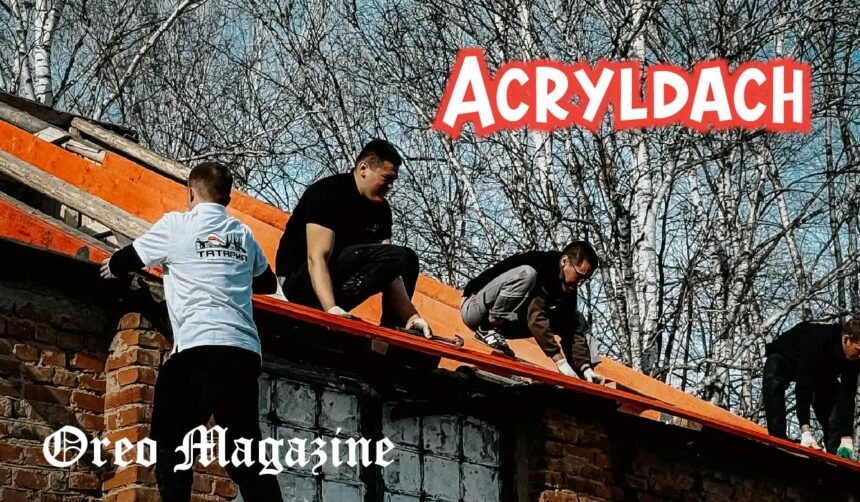
Modern building design now prioritizes brightness, comfort, and openness. Heavy and dark roofing styles are losing popularity. Instead, architects choose materials that allow daylight to enter naturally. This approach improves both energy use and visual appeal. As a result, innovative roofing solutions continue to gain attention. Among them, Acryldach stands out as a smart and modern option.
Acryldach is a light-transmitting roofing system made from acrylic panels, also known as PMMA. It shields spaces from rain, wind, and harmful UV rays. At the same time, it allows a very high level of natural light to pass through. Because of this, it creates bright and inviting spaces without sacrificing protection.
What Is Acryldach?
Acryldach refers to a roofing system constructed from acrylic sheets. The name comes from German terms. “Acryl” means acrylic, while “Dach” means roof. Together, they describe a roof made from acrylic material.
In simple words, Acryldach provides shelter while still letting sunlight enter. Unlike traditional roofing, it does not block daylight. Instead, it creates a comfortable and well-lit environment. This makes it highly suitable for modern construction.
Another important point is its dual function. Standard roofing materials mainly focus on protection. However, Acryldach combines protection with natural lighting. Therefore, it improves both usability and design quality.
The Material Behind Acryldach (PMMA)
The core material used in Acryldach is PMMA, or Polymethyl Methacrylate. This material is widely known as Plexiglas or Perspex. It acts as a strong and clear alternative to glass.
One major advantage of PMMA is its excellent transparency. It allows a very high percentage of visible light to pass through. As a result, spaces underneath remain bright and open. Another key feature is its lightweight nature. PMMA weighs significantly less than glass. This reduces the load on structures and simplifies installation.
PMMA also offers strong durability. It handles impact better than regular glass and performs well outdoors. Additionally, it resists UV radiation, which helps maintain clarity over time.
However, thermal movement must be considered. Acrylic expands and contracts when temperatures change. Therefore, installers must allow space for movement. Without proper installation, panels may crack or deform.
Types of Acryldach Systems
| Type | Description | Best Use |
|---|---|---|
| Flat sheets | Smooth and transparent panels | Skylights |
| Corrugated | Wavy panels for strength | Carports |
| Multiwall | Layered panels with insulation | Greenhouses |
| Liquid PMMA | Applied waterproof coating | Flat roofs |
| Cast vs Extruded | Quality versus affordability | Various uses |
Different systems serve different purposes. Flat panels provide a clean and modern look. Corrugated panels improve strength and water drainage. Multiwall panels enhance insulation and reduce heat loss. Liquid PMMA works well for sealing surfaces. Cast panels deliver better clarity, while extruded panels reduce costs.
Key Benefits of Acryldach
High Light Transmission
Acryldach allows large amounts of sunlight to pass through. This creates bright and pleasant spaces. It also reduces the need for artificial lighting.
Lightweight Structure
Acrylic panels are much lighter than glass. Therefore, structures require less support. This makes installation easier and more cost-effective.
Durability
Acryldach handles outdoor conditions effectively. It resists rain, sunlight, and temperature changes. High-quality panels last for many years.
Design Flexibility
Acrylic material can be shaped and customized easily. It supports modern designs and creative structures. Builders can choose different finishes and colors.
Low Maintenance
Cleaning requires only basic care. Mild soap and water keep panels clear. This reduces maintenance effort and cost.
Drawbacks of Acryldach
Acryldach has some limitations that users should understand. The surface can scratch if handled roughly. Therefore, gentle cleaning methods are necessary. Thermal expansion also requires careful installation. Without proper spacing, panels may develop cracks.
Impact resistance is lower than polycarbonate. In areas with heavy impact risk, alternative materials may perform better. In addition, single-layer panels offer limited insulation. Multiwall options can improve thermal performance.
Also Read : Gärning Explained: The Hidden Meaning Behind Actions
Acryldach vs Other Materials
| Feature | Acryldach | Glass | Polycarbonate | Metal |
|---|---|---|---|---|
| Light Transmission | Very high | High | Medium | None |
| Weight | Low | High | Very low | Medium |
| Strength | Moderate | Low | Very high | High |
| UV Resistance | Excellent | Excellent | Moderate | Not relevant |
Acryldach provides a balanced combination of features. It offers strong light transmission with lower weight. Glass delivers premium clarity but adds structural load. Polycarbonate offers greater impact resistance but may lose clarity over time. Metal provides strength but blocks all light. Therefore, Acryldach suits projects that require brightness and protection together.
Applications of Acryldach
Acryldach works across many environments. In residential settings, it covers patios, terraces, and pergolas. It also protects carports while maintaining brightness. In commercial spaces, it appears in skylights and atriums. Shopping centers use it for walkways and entrances.
In agriculture, Acryldach supports greenhouse structures. It allows plants to receive natural light while maintaining protection. Each application benefits from its ability to combine shelter with daylight.
Installation Guide
Correct installation ensures long-term performance. First, panels must have space for thermal movement. Installers should not fix them too tightly. Next, the roof should include a proper slope. This prevents water from collecting.
Panel thickness must match the structure size. Larger spans require thicker panels. Simple installations may suit experienced DIY users. However, complex projects need professional installation for best results.
Maintenance
Maintenance for Acryldach remains simple. Clean panels with warm water and mild soap. Use soft materials to avoid scratches. Avoid harsh chemicals and abrasive tools.
Regular inspection helps maintain performance. Checking seals and fasteners prevents future issues. With proper care, Acryldach can last for many years.
Cost Breakdown
| Project | Cost |
|---|---|
| Patio cover | £300–£800 |
| Pergola roof | £400–£900 |
| Greenhouse panels | £600–£1500 |
| Skylight system | £1500+ |
Costs vary based on material quality and thickness. Installation also affects total expenses. Higher-quality panels cost more at first. However, they offer better durability and long-term value.
Eco-Friendliness
Acryldach provides some environmental advantages. PMMA material can be recycled in many areas. In addition, natural light reduces energy consumption. Buildings use less artificial lighting during the day.
Long lifespan also reduces waste. Because panels last longer, replacements occur less often. Therefore, Acryldach supports more efficient building practices.
Conclusion
Acryldach represents a modern approach to roofing. It combines natural light, durability, and design flexibility. This makes it suitable for many residential and commercial uses.
As construction trends continue to evolve, bright and open spaces become more important. Acryldach meets this demand effectively. With proper installation and maintenance, it offers a reliable and long-lasting solution.
FAQs
What is Acryldach?
Acryldach is a roofing system made from acrylic panels that allows light while providing protection.
How long does Acryldach last?
High-quality panels last between fifteen and thirty years.
Is Acryldach better than polycarbonate?
Acryldach offers better clarity and UV stability, while polycarbonate offers higher impact resistance.
Can I install it myself?
Simple projects allow DIY installation, but complex systems need professionals.
Is it eco-friendly?
It supports energy savings and can be recyclable in many regions.
Visit For More Info : Oreo Magazine