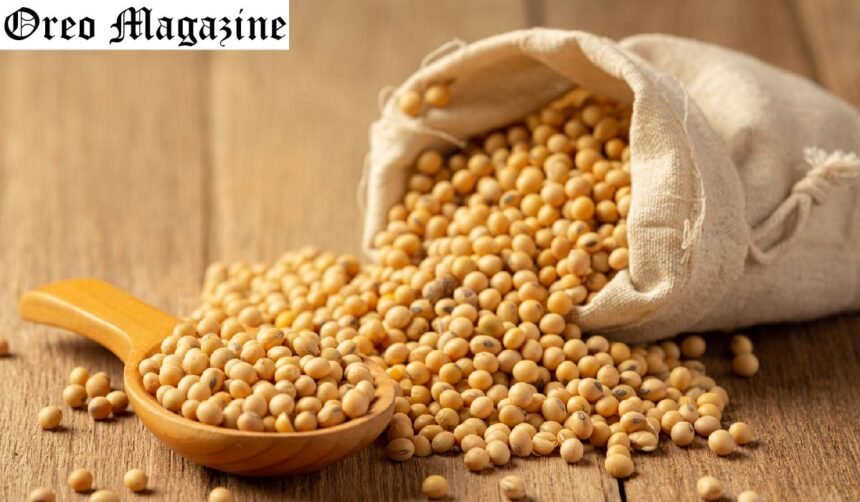
Plant-based protein has moved far beyond a passing trend. Today, people actively search for foods that support fitness, health, sustainability, and convenience at the same time. Insoya has emerged as a modern soy-based option designed for this lifestyle shift. It offers a practical way to increase protein intake without depending on meat products. Many groups find it useful, including vegetarians, vegans, athletes, busy professionals, and families improving their diets. It also blends easily into everyday meals such as curries, smoothies, wraps, snacks, and protein bowls. In this guide, you will understand what it is, how it fits into nutrition, how to use it effectively, what to consider before buying, and how to consume it safely.
What Is Insoya?
Insoya refers to a plant-based protein product derived from soybeans. It can appear in several forms, depending on the brand and processing method. Common options include chunks, granules, powders, milk, snacks, and ready-to-cook formats. It is often positioned as a refined alternative to traditional soya products. Some versions focus on improved texture, cleaner ingredients, enhanced digestibility, or additional nutrients. However, each product may differ significantly. Therefore, checking labels remains essential. In simple terms, it provides an easy method to include plant protein in meals. It can replace meat in many recipes while still delivering satisfying texture and nutritional value.
Why Is Insoya Becoming Popular?
The popularity of Insoya reflects changing eating habits worldwide. More individuals now follow vegetarian, vegan, or flexible diets that reduce meat consumption. At the same time, fitness awareness has increased demand for accessible protein sources. Consumers also prefer foods that align with sustainable living. While traditional soya chunks remain common, many people dislike their taste, smell, or heaviness. As a result, newer soy products attract attention when they offer better flavor, convenience, and variety. In addition, plant-based protein suits meal preparation because it cooks quickly and absorbs spices well. These advantages make it suitable for modern kitchens.
Insoya Nutrition Profile
The nutritional composition of Insoya depends on its type and processing method. Still, most soy-based products provide high-quality plant protein. Soy protein includes all essential amino acids, which makes it valuable for balanced nutrition. Many versions also contain fiber, iron, calcium, magnesium, and small amounts of healthy fats. Some products include added nutrients such as vitamin B12, omega-3, or extra minerals. These additions may benefit individuals following plant-based diets. However, fortified products vary widely. Therefore, reading labels carefully is important. A good product should deliver strong protein content, moderate calories, and simple ingredients.
Key Health Benefits of Insoya
Insoya can contribute to overall health when included in a balanced diet. First, it helps increase protein intake without animal sources. Second, it may improve satiety because protein and fiber support fullness. Third, soy-based foods are naturally free from cholesterol and low in saturated fat. These qualities support heart-conscious meal planning. Additionally, minerals present in soy products may help maintain energy, muscle function, and bone strength. However, no single food ensures complete health. Balanced nutrition, physical activity, and variety remain essential.
Supports Muscle Growth and Recovery
Insoya can support muscle development due to its amino acid profile. These amino acids help repair and build muscle tissue. Athletes, gym users, vegetarians, and vegans often rely on plant-based protein sources like this. It works especially well after exercise when combined with carbohydrates. For example, a bowl with rice, vegetables, and soy protein can assist recovery. Still, total daily protein intake matters more than one meal. Therefore, individuals should adjust intake based on their goals and body needs.
Helps With Weight Management
Insoya may assist with weight management because protein promotes fullness. Fiber also helps slow digestion, which reduces frequent hunger. As a result, people may manage portions more easily. It can replace higher-calorie meat options in many meals. However, cooking methods influence results. Fried preparations and heavy sauces increase calories quickly. Healthier methods include boiling, grilling, or light sautéing. Pairing it with vegetables and whole grains creates balanced meals that feel satisfying without excess calories.
Supports Heart Health
Soy-based foods fit well into heart-conscious diets. Insoya usually contains low saturated fat and no cholesterol. These characteristics make it different from many animal protein sources. Replacing high-fat foods with plant-based protein may improve dietary patterns. However, heart health depends on overall lifestyle. Excess salt, sugar, and inactivity can still cause problems. Therefore, combining it with vegetables, healthy oils, and whole grains offers better long-term results.
Improves Digestive Comfort
Some individuals find traditional soya chunks difficult to digest. Insoya may feel lighter when improved processing methods are used. In certain cases, fermentation may reduce compounds that cause discomfort. It can also enhance taste and texture. However, this depends on the product. Not all versions use fermentation. Eating large amounts may still cause bloating. Therefore, beginners should start with smaller servings. Proper cooking and hydration can also improve digestion.
Supports Bone and Energy Health
Insoya may contribute to bone and energy support through its nutrient content. Soy products often contain calcium, magnesium, iron, and B vitamins. Calcium and magnesium support bones and muscles. Iron helps maintain energy levels. Vitamin B12 becomes important for those following plant-based diets, but only fortified versions provide it. Therefore, checking labels remains necessary. A well-formulated product can support daily nutrition effectively.
Insoya vs Regular Soya Chunks
Although Insoya and traditional soya chunks share similarities, differences exist. Standard soya chunks are affordable, protein-rich, and widely available. However, some people dislike their texture or flavor. Newer products may offer improved taste, easier cooking, and added nutrients. Digestibility may also differ depending on processing. However, traditional chunks often cost less and remain accessible. Protein quality stays similar if both come from soy. The best choice depends on taste, budget, and individual needs.
How Insoya Is Made
Insoya production begins with soybeans. These beans are selected, cleaned, and processed. They may undergo soaking, grinding, drying, or extrusion. Some products include fermentation or nutrient enrichment. Fermentation can alter flavor and improve digestibility. Fortification may add vitamins or minerals. After processing, the product forms into chunks, powder, or other formats. Finally, it is packaged for sale. Because production methods vary, quality also varies. This makes label reading essential.
Insoya and Fermentation
Fermentation can improve soy products for some individuals. It may enhance flavor, reduce heaviness, and support nutrient absorption. Many traditional foods such as tempeh and miso use fermentation. If Insoya includes this step, it may provide a smoother digestive experience. However, not all products use this method. Consumers should confirm details through product labels.
Different Types of Insoya Products
Insoya comes in multiple forms to suit different needs. Chunks work well in curries. Granules suit fillings and pasta dishes. Powder blends easily into drinks and baking. Milk replaces dairy in beverages. Snacks provide quick protein options. Supplements offer convenience for busy lifestyles. Ready-to-cook versions save time. Each type serves a unique purpose in the kitchen.
Also Read : Inomyalgia: Symptoms, Causes, Treatment and Relief Guide
How to Use Insoya in Daily Meals
Insoya adapts easily to many recipes. Use chunks in curries or stews. Add granules to stir-fries or wraps. Blend powder into smoothies or oats. Prepare snacks using baked or spiced pieces. It can also be added to soups, salads, and protein bowls. Proper seasoning enhances taste. Spices, herbs, and marinades improve flavor significantly.
Easy Insoya Recipe Ideas
Simple recipes make it easy to include Insoya daily. A curry can be prepared using spices, onions, and tomatoes. Stir-fry works well with vegetables and light sauces. A breakfast bowl may include oats and protein powder. Smoothies can combine fruits and soy protein. Patties can be made using granules and spices. These recipes remain quick and adaptable.
Is Insoya Safe?
Insoya is generally safe for most healthy adults when consumed in moderation. Soy has been part of diets for many years. However, individuals with soy allergies must avoid it. People with thyroid concerns should follow medical advice. Those new to soy should start slowly. Consulting a professional may help in specific cases.
Possible Side Effects of Insoya
Some individuals may experience side effects. Large portions can cause bloating or discomfort. Allergic reactions may occur in sensitive individuals. Some may need time to adjust to increased fiber intake. Flavored products may contain extra salt or additives. Therefore, moderation and careful selection remain important.
Who Should Use Insoya?
Insoya suits many people. Vegetarians and vegans benefit from its protein content. Fitness enthusiasts may use it for recovery meals. Busy individuals appreciate its convenience. Students may find it affordable. Families reducing meat intake can use it in everyday dishes. It offers flexibility for many lifestyles.
Who Should Avoid or Limit Insoya?
People with soy allergies should avoid Insoya completely. Individuals advised to limit soy should follow medical guidance. Those with sensitivities should consume it carefully. Choosing simple products may help avoid unwanted reactions.
Insoya for Sustainability
Insoya supports sustainable eating because it comes from plant-based sources. Plant proteins often require fewer resources than animal proteins. However, sustainability depends on sourcing and production. Responsible brands provide better environmental choices.
Buying Guide: How to Choose the Best Insoya
Check protein content and ingredient quality before buying. Avoid products with excessive additives. Look for clear labeling and allergen information. Compare value based on serving size. Choose products that match your cooking needs.
Storage and Cooking Tips
Store products in airtight containers away from moisture. Rehydrate chunks before cooking. Use spices and marinades for better taste. Avoid overcooking to maintain texture.
Common Myths About Insoya
Many myths exist about soy products. It is not limited to vegans. It is not automatically unhealthy. Different products vary in quality. It does not replace a balanced diet. Moderation always remains important.
Future of Insoya
The demand for plant-based protein continues to grow. Insoya may expand into more product categories. Companies may improve taste, texture, and nutrition. The future depends on quality, affordability, and consumer trust.
Conclusion
Insoya represents a modern approach to plant-based protein. It offers flexibility, nutrition, and convenience. When chosen carefully and used properly, it can support a balanced diet. Its growing popularity reflects the shift toward healthier and more sustainable eating habits.
FAQs
What is Insoya?
Insoya is a plant-based protein made from soybeans. It comes in forms like chunks, granules, powder, milk, and snacks. People use it as a meat alternative because it provides high protein and works in many recipes.
Is Insoya better than regular soya chunks?
Insoya may be better for some people depending on the product quality. Some versions offer improved taste, texture, and digestibility. However, both provide similar protein since they come from soy. The best choice depends on personal needs and budget.
Can I eat Insoya every day?
Yes, most healthy adults can eat Insoya daily in moderate amounts. It can support protein intake as part of a balanced diet. However, variety in food choices is important, so it should not be the only protein source.
Does Insoya cause bloating?
Insoya may cause bloating if eaten in large amounts or if your body is not used to soy. Starting with small portions and cooking it properly can reduce this issue. Some processed versions may feel lighter on digestion.
Is Insoya suitable for vegans?
Yes, most Insoya products are suitable for vegans because they come from plant sources. However, it is important to check labels to ensure no animal-based ingredients are added during processing.
Visit For More Info : Oreo Magazine