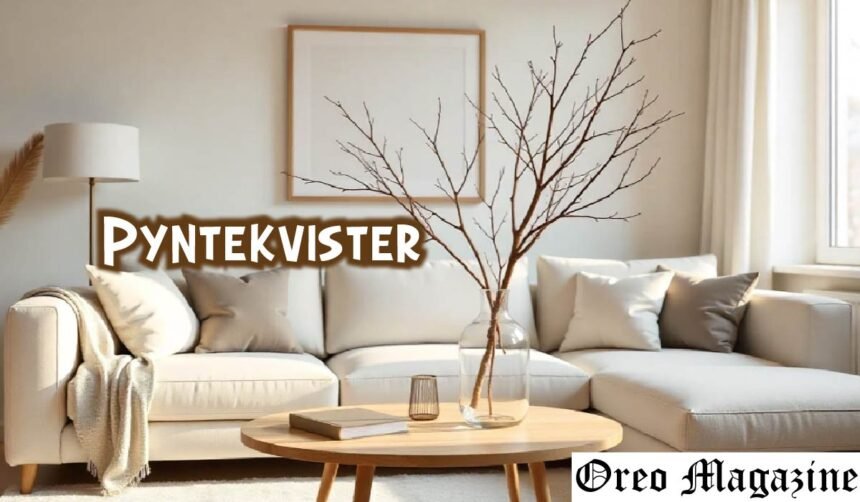
Natural home styling continues shaping modern interiors because homeowners now prefer calm, meaningful, and visually balanced spaces. Among many rising decor ideas, decorative branch styling has gained remarkable attention for its simplicity and organic beauty. The concept often described through the term Pyntekvister focuses on ornamental branches, elegant twigs, and carefully arranged natural stems used to enhance indoor environments. Unlike loud decorative trends, this style creates soft visual harmony through earthy textures and minimal forms. Scandinavian-inspired interiors especially embrace branch decor because Nordic design traditions value nature, simplicity, and functionality. Moreover, modern homeowners enjoy natural decorative elements because they make interiors feel warmer without adding clutter. Decorative branches often appear in ceramic vases, seasonal centerpieces, wall arrangements, and rustic displays.
What Is Pyntekvister?
The term Pyntekvister commonly describes decorative branches or ornamental twigs arranged for interior decoration and visual styling. These natural pieces often include dried stems, preserved branches, sculptural twigs, and artistic plant elements displayed inside homes. Decorative branches appear in many forms, ranging from raw unfinished wood to painted modern arrangements designed for luxury interiors. Many people place these arrangements inside tall vases because branches create height and elegance without overwhelming smaller rooms. Furthermore, decorative stems often enhance shelves, entryways, coffee tables, fireplaces, and dining spaces through their organic appearance. Some homeowners prefer completely natural arrangements because the raw texture feels authentic and earthy. Others select painted or preserved designs because they match modern interiors more effectively. Decorative branch styling also works beautifully with fairy lights, ribbons, seasonal ornaments, and dried flowers.
What Does the Word Pyntekvister Mean?
The meaning behind the word Pyntekvister likely comes from Scandinavian or Norwegian language traditions connected with decorating and nature-inspired styling. The word “pynte” generally relates to decorating, adorning, or enhancing spaces visually. Meanwhile, “kvister” commonly refers to branches, twigs, or smaller natural stems collected from trees and plants. When combined, the phrase usually translates into decorative branches or ornamental twigs arranged for visual beauty. Although the term has become increasingly popular online, its meaning still reflects classic Nordic design principles focused on simplicity and natural elegance. Interior design blogs, home decor websites, and social media creators often use the term when discussing Scandinavian-inspired decorating trends. In many modern contexts, the word describes minimalist arrangements that use natural branches to create calming atmosphere inside homes.
The Scandinavian Origins of Pyntekvister
Scandinavian interiors have always maintained close relationships with nature because Nordic cultures traditionally value simplicity, practicality, and seasonal awareness. Long winters and darker climates encouraged people throughout Scandinavia to bring natural elements indoors to create warmth and emotional comfort. Decorative branches, dried plants, wooden textures, and earthy materials became important features inside traditional Nordic homes. Over time, these natural decorating habits evolved into recognizable Scandinavian design traditions admired worldwide today. Decorative branch styling fits naturally within Nordic interiors because it creates visual softness without unnecessary decoration. Scandinavian homes often emphasize clean lines, neutral colors, natural lighting, and uncluttered layouts. Branch arrangements support those principles by adding organic texture while maintaining calm visual balance.
Why Pyntekvister Is Popular in Modern Home Decor
Modern decorating trends increasingly focus on comfort, mindfulness, and natural beauty rather than excessive decoration and crowded interiors. Decorative branch styling has become popular because it satisfies those modern preferences while remaining affordable and versatile. Minimalist interior design especially helped increase the popularity of natural branches because they create elegance without visual chaos. Furthermore, biophilic design trends encourage stronger connections between indoor spaces and natural environments. Decorative branches introduce organic forms, earthy textures, and calming visual movement into homes without requiring expensive renovations. Social media platforms have also accelerated the popularity of Scandinavian-inspired interiors featuring decorative twigs and minimalist styling. Interior photographs containing natural branches often appear sophisticated, peaceful, and visually balanced, which attracts large online audiences.
Types of Pyntekvister
Decorative branch arrangements appear in many different styles because homeowners and designers often adapt them according to interior themes and seasonal preferences. Natural branches remain among the most popular choices because they preserve authentic textures and organic beauty. Birch branches often create bright Scandinavian atmosphere, while willow branches provide softer movement and elegant curves. Olive branches suit Mediterranean-inspired spaces, whereas eucalyptus stems support modern minimalist interiors through muted green tones. Magnolia branches and curly twigs create stronger visual drama suitable for larger rooms and statement displays. Dried decorative twigs also remain extremely popular because they last for long periods without requiring care or maintenance. Many homeowners enjoy dried arrangements because they maintain natural beauty throughout changing seasons.
How Pyntekvister Is Made
The process of creating decorative branch arrangements usually begins with selecting branches that feature attractive shapes, balanced proportions, and interesting natural textures. Many decorators search for branches with graceful curves because sculptural forms create stronger visual impact inside interiors. After selection, the branches require careful cleaning to remove dirt, insects, and loose bark before indoor use. Proper drying also remains essential because wet branches may develop mold or structural weakness over time. Once branches dry fully, decorators often trim rough edges and adjust the stems according to the desired display size. Some creators lightly sand the surface to create smoother finishes and improve handling safety. Decorative branches may remain completely natural, though many arrangements also include paint, stain, or protective coatings.
Benefits of Using Pyntekvister in Home Decor
Decorative branch styling offers many practical and visual advantages for homeowners interested in elegant yet low-maintenance interiors. One major benefit involves affordability because many beautiful arrangements require very little financial investment. Some homeowners even collect branches outdoors and create personalized displays themselves. Decorative twigs also support sustainable decorating because natural materials create less environmental waste compared to synthetic decor products. Another important advantage involves longevity because dried branches last much longer than fresh flowers.
Decorative branch arrangements also add height, texture, and visual structure without consuming excessive space inside rooms. Minimalist interiors especially benefit from these natural forms because branches create visual interest while preserving simplicity. Moreover, decorative twigs adapt easily to many interior styles, including Scandinavian, farmhouse, rustic, modern, bohemian, and Japandi spaces. Seasonal customization also remains easy because homeowners can update arrangements using ornaments, ribbons, or color accents throughout the year.
How to Use Pyntekvister at Home
Decorative branches work beautifully in many different rooms because they adapt easily to changing layouts and decorative styles. Living rooms often benefit from tall branch arrangements placed near sofas, fireplaces, or empty corners because they add vertical balance and natural warmth. Bedrooms usually require softer displays with neutral tones and calming textures that support restful atmosphere. Small arrangements on bedside tables or dressers often create subtle elegance without overwhelming the room. Dining spaces also benefit from decorative branches because minimalist centerpieces maintain sophistication while preserving functional table space. Entryways commonly feature tall floor vases filled with branches because these arrangements create welcoming first impressions for visitors.
Also Read : Gessolini: Meaning, Design Style and Modern Interiors
Pyntekvister Styling Ideas by Interior Style
Different interior styles approach decorative branch styling in unique ways depending on furniture choices, textures, and color palettes. Scandinavian minimalist interiors usually feature simple ceramic vases filled with bare natural branches arranged with balanced spacing and understated elegance. Rustic farmhouse interiors often combine rough-textured twigs with warm wooden furniture, woven baskets, and earthy decorative accents. Modern luxury interiors sometimes include dramatic black vases paired with gold-painted branches that create striking visual contrast against clean architectural surfaces. Bohemian spaces frequently decorate branches using beads, macrame details, hanging ornaments, and dried flowers to create layered artistic atmosphere.
Seasonal Pyntekvister Decor Ideas
Seasonal branch styling allows homeowners to refresh interiors throughout the year while maintaining consistent natural design foundations. Spring arrangements often include blossom branches, soft greenery, and pale pastel details that symbolize renewal and fresh beginnings. Summer branch displays commonly feature olive stems, eucalyptus branches, and airy neutral styling that creates relaxed seasonal atmosphere. Autumn arrangements frequently use warm-toned twigs, dried leaves, amber-colored accessories, and pinecones to create cozy visual warmth during colder months. Winter displays often feature bare branches decorated with white accents, silver details, and soft fairy lighting that reflects peaceful seasonal stillness.
DIY Pyntekvister Project for Beginners
Creating decorative branch arrangements at home remains one of the easiest and most affordable DIY decorating projects for beginners. Start by selecting branches that feature attractive shapes and balanced proportions because natural structure strongly influences the final appearance. After gathering branches, clean them carefully and allow complete drying before indoor use. Use pruning shears or scissors to trim stems according to the chosen vase height and desired arrangement size. Some homeowners prefer completely natural finishes, while others apply spray paint or protective sealant for modern appearance and increased durability.
Common Mistakes to Avoid
Although decorative branch styling appears simple, several common decorating mistakes may reduce visual harmony and overall elegance. Many homeowners overcrowd arrangements with excessive branches, which creates cluttered appearance instead of calm simplicity. Branch styling usually looks more sophisticated when fewer stems receive more visual breathing space. Another common mistake involves choosing vases with poor proportions. Oversized containers may overwhelm delicate branches, while narrow or unstable vases may create awkward imbalance. Excessive decoration also reduces natural beauty because too many ribbons, ornaments, or colors distract from organic textures and sculptural forms. Ignoring existing room colors often creates visual conflict, especially inside minimalist interiors where balance matters greatly.
How to Care for Pyntekvister
Decorative branch arrangements require relatively little maintenance, which makes them highly practical for busy households. Regular dusting remains important because natural wood textures may collect visible dust over time. Soft brushes or microfiber cloths usually clean branches effectively without damaging delicate surfaces. Moisture exposure should remain minimal because water weakens dried branches and may encourage mold growth indoors. Strong direct sunlight may also fade painted finishes or excessively dry natural wood materials. Seasonal arrangements should receive careful storage inside dry containers or protective wrapping during off-season periods to prevent accidental damage.
Where to Buy Pyntekvister
Decorative branch arrangements remain widely available through many shopping sources depending on style preferences and budget considerations. Local craft markets often sell handmade branch decor created by independent artisans using natural materials and traditional techniques. Florists sometimes offer preserved stems, dried branches, and seasonal decorative twigs suitable for sophisticated interior styling. Home decor stores increasingly carry Scandinavian-inspired branch arrangements because minimalist natural aesthetics remain highly popular worldwide. Specialty Nordic decor shops may also provide authentic Scandinavian branch displays connected with traditional design principles.
Pyntekvister vs Floral Arrangements
Decorative branches and floral arrangements both improve interior environments, yet they create very different visual experiences and maintenance requirements. Branch arrangements generally last much longer than fresh flowers because dried or preserved branches resist natural decay and require minimal care. Floral arrangements often provide vibrant color and romantic softness, whereas decorative branches create calmer minimalist atmosphere through sculptural natural forms. Decorative twig styling also tends to cost less over time because arrangements remain reusable throughout multiple seasons. Fresh flowers often require replacement every few days or weeks depending on environmental conditions. Maintenance requirements also differ significantly because branch arrangements require little more than occasional dust removal.
Is Pyntekvister Sustainable?
Sustainability remains one of the strongest reasons many homeowners now prefer decorative branch styling over mass-produced artificial decorations. Natural branches create far less environmental waste because wood materials biodegrade naturally without harmful long-term impact. Many decorative twig arrangements also remain reusable for several years when homeowners store them properly between seasonal displays. Unlike disposable decorative products, natural branch styling supports long-lasting and environmentally responsible interior decorating. Decorative twigs also require fewer industrial manufacturing processes compared with plastic-based accessories and synthetic decor items.
Why Pyntekvister Is More Than Just Decoration
Decorative branch styling represents much more than simple visual decoration because it supports emotional comfort, mindful living, and stronger connection with nature. Many modern homeowners seek peaceful interiors that encourage relaxation instead of constant stimulation and visual overload. Natural branches create calming atmosphere through soft organic shapes and earthy textures that feel emotionally grounding. Decorative twig styling also reflects broader lifestyle movements focused on simplicity, intentional decorating, and appreciation for everyday beauty.
Frequently Asked Questions About Pyntekvister
Many homeowners ask questions about decorative branch styling before adding these arrangements to their interiors. One common question involves the meaning of the term itself. Decorative branches generally describe ornamental twigs and stems arranged for Scandinavian-inspired home styling. Another frequently asked question concerns whether decorative branches must remain natural. In reality, arrangements may appear natural, preserved, painted, dried, or artificial depending on decorative goals and personal preferences. Many beginners also wonder whether decorative branch displays can be created at home. DIY branch styling remains simple because the arrangements require only basic materials and minimal decorating experience. Questions about vase selection also appear often because container proportions strongly influence visual balance.
Final Thoughts
Decorative branch styling continues growing in popularity because it combines timeless natural beauty with simplicity, sustainability, and practical versatility. These arrangements work beautifully within Scandinavian, minimalist, rustic, Japandi, farmhouse, and seasonal interior styles. Decorative branches also remain affordable and highly customizable, making them suitable for homeowners with many different budgets and decorative preferences. Moreover, natural twig arrangements create peaceful atmosphere through soft textures, sculptural forms, and earthy visual warmth. Modern homeowners increasingly seek interiors that feel calm, meaningful, and emotionally comforting instead of crowded and visually overwhelming.