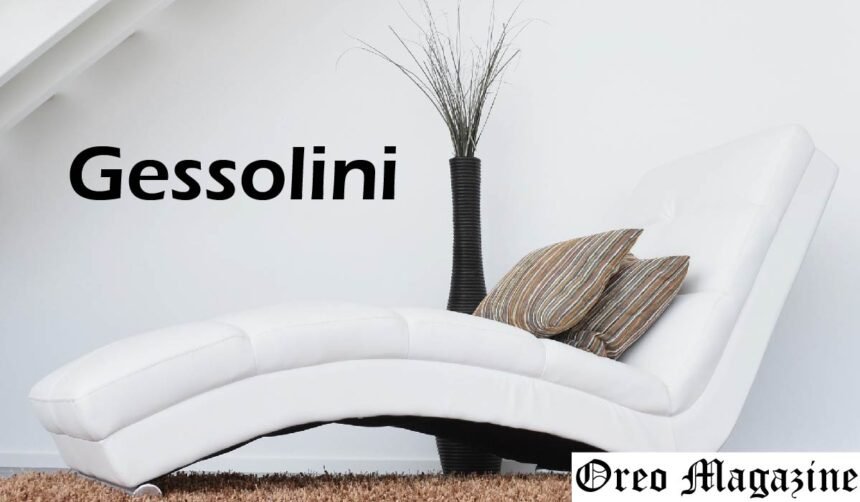
Gessolini represents a calming approach to modern interior design and artistic living. The concept combines Italian craftsmanship, soft textures, sustainable materials, and emotional warmth. Many homeowners and designers now prefer spaces that feel peaceful rather than overly luxurious. Because of this shift, Gessolini continues gaining attention across interior blogs and design communities. The style embraces tactile surfaces, muted colors, natural fabrics, and handcrafted details. It avoids loud decoration and glossy finishes. Instead, it values comfort, balance, authenticity, and thoughtful simplicity. Many people also connect the style with modern nostalgia because it blends vintage warmth with present-day function. Moreover, the design supports sustainable living through reclaimed materials and long-lasting craftsmanship. This article explores the meaning, origins, materials, interior ideas, sustainability, textures, artistic influences, and practical ways to create a Gessolini-inspired home.
What Is Gessolini?
Gessolini describes a refined interior style inspired by plaster textures, handcrafted finishes, and warm minimalism. The term also connects with calm spaces, natural materials, and understated beauty. Many designers use the word to describe interiors that feel soft, artistic, and emotionally comforting. Additionally, the style often includes textured walls, neutral palettes, handmade objects, and organic forms. Gessolini interiors never feel empty or cold. Instead, they create warmth through texture, lighting, and material quality. The design also values simplicity without removing personality. Therefore, Gessolini works beautifully for people who want elegant homes filled with comfort and natural charm.
The Meaning Behind Gessolini
The word Gessolini likely comes from the Italian word “gesso,” which means chalk or plaster. In artistic traditions, gesso prepared surfaces for painting and decorative work. Over time, this connection inspired modern design ideas focused on smooth finishes and mineral textures. The softer sound of the word suggests delicacy, craftsmanship, and subtle beauty. As a result, Gessolini now represents more than material alone. It also expresses a design language built around calm colors, tactile surfaces, and handmade character. Therefore, the term carries both artistic and emotional meaning within modern interiors.
The Origins of Gessolini Design
Gessolini design draws strong influence from traditional Italian craftsmanship and historical architecture. Renaissance artists used plaster-like materials to create smooth painting surfaces and decorative walls. Mediterranean homes also featured limewash walls, natural stone, wood beams, and hand-finished details for centuries. Modern designers later adapted these older ideas into contemporary interiors focused on simplicity and texture. Today, the style combines ancient craftsmanship with modern practicality. Consequently, Gessolini interiors feel timeless rather than trend-driven. The approach respects heritage while supporting current lifestyles built around comfort and mindful living.
Why Gessolini Is Becoming Popular
People increasingly seek homes that feel calm, grounded, and emotionally comforting. Many minimalist interiors look clean but lack warmth and personality. Gessolini solves this problem by introducing texture, nostalgia, and natural materials into modern spaces. Furthermore, many homeowners now value sustainability and handcrafted quality over mass-produced furniture. Soft lighting, neutral colors, and tactile finishes also support mental relaxation and emotional balance. Therefore, the style appeals strongly to people tired of overly polished interiors. Gessolini creates peaceful environments that feel elegant without appearing artificial or excessive.
Key Features of Gessolini Interior Style
Several important elements define this design approach. Soft neutral tones create visual calm throughout the home. Matte finishes replace glossy surfaces and reflect light gently. Natural materials such as plaster, wood, linen, and clay add warmth and authenticity. Curved furniture shapes soften rooms and improve comfort. Handmade ceramics, woven textures, and artisan decor introduce personality without clutter. Additionally, lighting remains warm and layered rather than bright and harsh. Vintage-inspired details also support the feeling of modern nostalgia. Together, these features create interiors that feel balanced, tactile, and deeply welcoming.
Gessolini and Modern Nostalgia
Modern nostalgia plays a central role within this style. The design brings emotional comfort from traditional homes into modern living spaces. For example, old wood textures, linen bedding, plaster walls, and handmade furniture often remind people of earlier generations. However, the interiors still feel fresh and contemporary because the layouts stay simple and uncluttered. Therefore, Gessolini does not recreate the past exactly. Instead, it borrows warmth, memory, and craftsmanship while maintaining modern function. This emotional connection explains why many people feel instantly comfortable inside Gessolini-inspired homes.
Gessolini Color Palette
The color palette remains soft, earthy, and understated. Common shades include warm white, cream, sand, clay, muted olive, stone grey, earthy brown, and soft beige. These colors create harmony because they work naturally together without visual tension. Moreover, muted tones help textures stand out more clearly. A plaster wall, linen curtain, or wooden table appears richer when surrounded by calm colors. The palette also supports natural light beautifully. Consequently, rooms feel brighter, softer, and more spacious without relying on bold decoration.
Materials Used in Gessolini Design
Natural materials define the emotional quality of this style. Limewash, plaster, reclaimed wood, clay, marble dust, stone, wool, linen, and eco-friendly fabrics all contribute to the look. These materials age gracefully and develop character over time. Reclaimed wood introduces warmth and history. Stone adds quiet luxury and durability. Linen creates softness and movement throughout the room. Handmade ceramics provide texture and artistic charm. Furthermore, sustainable materials reduce environmental impact while supporting healthier indoor spaces. Therefore, Gessolini interiors feel both beautiful and responsible.
Texture and Tactile Interiors
Texture matters deeply within Gessolini interiors because the design focuses on touch as much as appearance. Rough plaster walls create softness through imperfection. Smooth ceramics reflect handmade craftsmanship. Brushed wood surfaces add warmth and visual depth. Layered textiles such as linen throws and wool rugs make rooms feel more welcoming. Additionally, woven baskets and matte stone finishes introduce natural variation throughout the space. These tactile elements create interiors that feel emotionally comforting rather than visually sterile. As a result, the home becomes both visually calming and physically inviting.
Gessolini in Living Rooms
A Gessolini living room should feel warm, peaceful, and carefully balanced. Start with textured plaster walls or soft neutral paint colors. Then choose low-profile sofas covered in linen or cotton fabrics. Wooden coffee tables and woven rugs add warmth and grounding texture. Warm-glow lamps create softer evening lighting throughout the room. Additionally, handmade decor pieces such as ceramic vases or sculptural lamps provide artistic personality. However, avoid overcrowding surfaces with unnecessary objects. The goal involves simplicity supported by thoughtful texture and meaningful details.
Gessolini in Bedrooms
Bedrooms inspired by this style should encourage rest and emotional calm. Linen bedding works beautifully because it feels relaxed and breathable. Wooden furniture adds warmth without visual heaviness. Plaster-toned walls create a soft and soothing atmosphere for sleep. Furthermore, curved headboards, textured throws, and dim lighting improve comfort and intimacy. Decorative elements should remain minimal yet meaningful. A ceramic lamp, woven basket, or handcrafted stool can add enough personality without creating clutter. Therefore, the bedroom becomes a peaceful retreat rather than a visually busy environment.
Gessolini in Kitchens
Kitchens can reflect this style through natural finishes and practical elegance. Wooden countertops, matte cabinetry, stone backsplashes, and open shelving create warmth and simplicity. Handmade ceramics also introduce personality and artisanal charm. Moreover, warm lighting softens the kitchen environment and makes daily routines feel more enjoyable. Natural textures prevent the space from appearing overly clinical or industrial. Open shelves displaying bowls, cups, and pottery can further support the handmade aesthetic. Consequently, the kitchen feels both functional and emotionally welcoming.
Gessolini in Bathrooms
Bathrooms inspired by this design style should resemble calm spa environments. Matte tiles, plaster walls, stone sinks, and warm wood accents all support that atmosphere. Soft lighting improves relaxation and prevents the room from feeling cold. Linen towels and clay accessories also introduce natural texture. Furthermore, earthy colors such as sand, cream, and stone grey create visual tranquility. Avoid glossy finishes and harsh white lighting whenever possible. Instead, choose softer materials and warm illumination. This combination creates bathrooms that feel peaceful, clean, and restorative.
Gessolini as an Art Material
The artistic side of Gessolini connects strongly with plaster-inspired textures and mineral surfaces. Artists often prefer matte, chalky grounds because they hold paint beautifully and create subtle depth. Layered mineral finishes can also become part of the artwork itself rather than remaining hidden beneath paint. Furthermore, these textured surfaces interact with natural light in unique ways. Some artists prefer them because they feel more organic than synthetic primers. Consequently, the relationship between art and interior design becomes stronger through shared texture and craftsmanship.
Gessolini and Italian Craftsmanship
Italian craftsmanship shapes the emotional character of this style. Handmade furniture, plasterwork, ceramics, and natural finishes all reflect human skill and patience. Unlike factory-made decor, artisan pieces often contain small imperfections and visible handwork. These details create warmth and authenticity inside the home. Additionally, the philosophy of slow design encourages people to invest in fewer but better-quality items. A handcrafted table or ceramic vase may last decades while gaining beauty over time. Therefore, craftsmanship remains essential to the spirit of Gessolini.
Gessolini and Sustainable Design
Sustainability naturally aligns with this design philosophy. Reclaimed wood, local materials, natural fibers, and durable furniture reduce environmental waste while improving interior quality. Instead of replacing decor frequently, homeowners invest in timeless materials that age beautifully. Furthermore, natural finishes often support healthier indoor air quality compared with synthetic alternatives. Linen, clay, wool, wood, and stone also require fewer chemical treatments. Therefore, Gessolini design supports mindful consumption and environmentally responsible living without sacrificing elegance or comfort.
How to Add Gessolini Style to Your Home
Simple updates can introduce this aesthetic without major renovation. Paint one wall using a warm plaster-inspired shade. Add linen cushions, wool rugs, or neutral curtains for softness and texture. Replace shiny decor with matte ceramics or handcrafted wooden pieces. Warm-glow lighting also changes the mood significantly. Moreover, remove unnecessary clutter and focus on fewer meaningful objects. Choose one statement piece per room, such as a sculptural lamp or artisan vase. These smaller changes help create calm and balance throughout the home.
Full Gessolini Home Makeover Ideas
Larger transformations can fully capture the essence of this design approach. Limewash walls create tactile depth and natural softness. Reclaimed wood flooring introduces warmth and historical character. Stone surfaces, custom lighting, and natural-fiber rugs further support the look. Additionally, custom storage solutions help maintain simplicity without sacrificing practicality. Replace glossy finishes with matte textures wherever possible. Invest in handcrafted furniture designed to age beautifully over time. Ultimately, a complete Gessolini home should feel calm, functional, tactile, and emotionally grounding.
Common Mistakes to Avoid
Several mistakes can weaken the emotional balance of this style. Too many bright colors disrupt the calm atmosphere. Glossy materials often make spaces feel artificial and cold. Overcrowding rooms with decor removes the simplicity that defines the aesthetic. Cheap plastic materials also conflict with the focus on craftsmanship and natural beauty. Furthermore, poor lighting can flatten textures and reduce warmth. Therefore, always prioritize soft illumination and thoughtful restraint. The best interiors balance simplicity, texture, and personality carefully.
Also Read : Wifekivers: Trend Explained for Modern Relationships
Gessolini vs Minimalism
Minimalism and Gessolini both value simplicity, but they create different emotional experiences. Minimalist interiors often remove decoration completely and focus heavily on empty space. However, they sometimes feel cold or emotionally distant. Gessolini keeps simplicity while introducing warmth, texture, and nostalgia. Linen, plaster, ceramics, and handmade wood elements create more human-centered environments. Therefore, the design feels softer and more tactile than traditional minimalism. It values emotional comfort as much as visual clarity.
Gessolini vs Modern Rustic Style
Modern rustic interiors often feature darker woods, farmhouse details, and rugged textures. Gessolini feels lighter, softer, and more refined. The style still values natural materials, yet it avoids visual heaviness and excessive ornamentation. Curved furniture, pale plaster walls, and subtle textures create a more Mediterranean-inspired atmosphere. Additionally, the aesthetic focuses more strongly on restraint and softness. Both styles celebrate warmth and authenticity, but Gessolini introduces greater calm and refinement.
Why Gessolini Works in Small Spaces
Small homes benefit greatly from this style because soft colors and natural light create openness. Matte surfaces reflect light gently without overwhelming the room. Fewer furniture pieces improve movement and visual calm. Meanwhile, textured materials prevent smaller interiors from feeling empty or flat. Linen curtains, plaster walls, and wooden accents add richness without creating clutter. Curved forms also soften tight corners and improve flow. Therefore, Gessolini interiors help compact spaces feel larger, warmer, and more peaceful.
Gessolini Decor Checklist
A successful Gessolini interior often includes neutral walls, matte finishes, linen fabrics, wool rugs, handmade ceramics, wooden furniture, warm lighting, natural textures, and sustainable materials. One vintage or handcrafted statement piece also adds emotional depth. However, the room should still feel personal rather than staged. Family objects, travel finds, or artisan decor can introduce individuality naturally. Use the checklist as guidance instead of strict rules. The most beautiful interiors always reflect the people living inside them.
Conclusion
Gessolini combines modern nostalgia, tactile beauty, Italian craftsmanship, and sustainable living into one refined design philosophy. The style values softness, texture, natural materials, and emotional comfort rather than loud luxury. Plaster walls, linen fabrics, reclaimed wood, warm lighting, and handmade details all contribute to its calming atmosphere. Furthermore, the approach supports mindful living through quality craftsmanship and lasting materials. In today’s fast-moving world, many people seek homes that feel peaceful, grounded, and deeply personal. Gessolini succeeds because it creates exactly that feeling through warmth, simplicity, and timeless elegance.
FAQs
What Is It Design?
Gessolini design is a modern interior style focused on soft textures, natural materials, and calm living spaces. The style combines Italian craftsmanship, warm minimalism, and modern nostalgia. It often includes plaster-inspired walls, handmade decor, neutral colors, and sustainable furniture. Many people love the style because it creates homes that feel peaceful, elegant, and deeply comfortable.
Why Is It Becoming Popular?
Gessolini is becoming popular because many homeowners want interiors that feel warm rather than overly modern or cold. The design brings together natural textures, soft lighting, handcrafted pieces, and timeless colors. Additionally, people now value sustainable living and long-lasting materials more than fast-changing trends. Therefore, Gessolini fits modern lifestyles perfectly.
What Colors Work Best in Gessolini Interiors?
The most common Gessolini colors include warm white, cream, beige, clay, sand, muted olive, earthy brown, and gentle grey. These tones create calm and balance inside a room. Soft neutral palettes also help natural textures stand out more clearly. Furthermore, these colors reflect light beautifully and make spaces feel warm, open, and relaxing.
How Can I Create a Gessolini-Style Home?
You can create a Gessolini-style home by using matte finishes, natural fabrics, warm lighting, and handcrafted decor. Start with soft neutral wall colors and textured materials like linen, wood, plaster, and stone. Add one statement piece such as a ceramic vase or artisan lamp. Also, remove unnecessary clutter and focus on comfort, simplicity, and tactile beauty.
Is It Good for Small Spaces?
Yes, Gessolini works very well in small spaces because it uses soft colors, natural light, and simple furniture layouts. Neutral tones help rooms feel larger and calmer. Additionally, textured materials add warmth without creating visual heaviness. The style avoids overcrowding, so smaller apartments and compact rooms feel peaceful, balanced, and more open.
Visit For More Info : Oreo Magazine