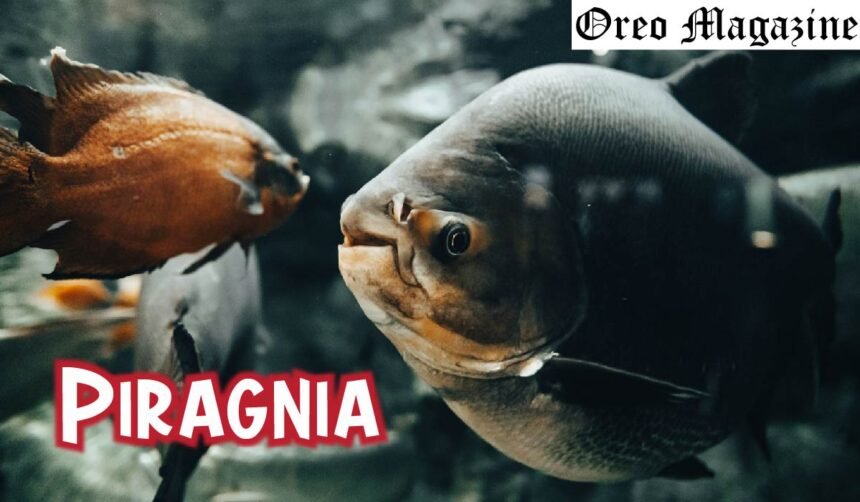
You searched Piragnia, yet the meaning often feels unclear at first glance. Many users encounter this word and assume it refers to a new species or concept. However, that assumption quickly creates confusion. In reality, Piragnia is simply a misspelled version of piranha, a well-known freshwater fish. This error spreads easily due to pronunciation differences and fast typing habits online. As a result, incorrect information circulates across websites and social media platforms.
Moreover, exaggerated stories about these fish increase curiosity and fear among readers. Therefore, finding reliable and accurate explanations becomes difficult. This guide removes that confusion with clear and factual insights. You will understand the meaning of Piragnia and its origin. In addition, you will explore the real nature of piranhas, including behavior, diet, habitat, and common myths. By the end, everything will feel clear and easy to understand.
What Does Piragnia Mean?
Piragnia appears frequently in online searches, yet it lacks any formal definition. People use it while actually referring to piranha. This pattern highlights how digital behavior shapes language over time.Piragnia represents a simple spelling mistake rather than a unique term. It does not describe a separate species or scientific idea. Instead, it reflects how people type words based on how they sound.
Many users rely on phonetic spelling when searching quickly. Some type without checking accuracy, while others feel unfamiliar with certain letter combinations. The “nh” sound in piranha often creates difficulty for non-native speakers. Therefore, users replace it with simpler combinations like “gn.” Over time, repeated usage strengthens the incorrect version. As a result, Piragnia continues appearing across search engines and online content.
Origin and Linguistic Background
The correct term piranha comes from the Tupi language used by indigenous groups in South America. The word combines elements that mean “fish” and “tooth.” This meaning reflects the sharp teeth of the animal clearly.
However, pronunciation creates confusion for many users worldwide. The “nh” sound does not exist in several languages. Therefore, people replace it with more familiar sounds during typing. This leads to variations like Piragnia. Over time, these variations spread across blogs, forums, and social media platforms.
Language often adapts based on user behavior rather than strict rules. As a result, incorrect forms can gain popularity quickly. Piragnia exists because people repeat it often, not because it is correct. Understanding this origin helps explain why the term continues to appear online.
The Real Fish Behind Piragnia
Behind the term Piragnia lies the actual fish known as the piranha. This freshwater species lives in South America and belongs to a diverse group of fish. These animals thrive in rivers, lakes, and floodplain ecosystems.
Piranhas often gain attention due to their sharp teeth and powerful bite. However, their ecological importance extends far beyond appearance. They play a key role in maintaining balance within aquatic environments.
Where They Live
Piranhas inhabit tropical freshwater systems across South America. Their primary habitats include the Amazon Basin and surrounding regions. They also live in the Orinoco River and Paraguay–Paraná systems.
These environments provide warm temperatures, vegetation, and abundant food sources. Seasonal flooding expands their territory and increases feeding opportunities. During dry periods, they adapt to smaller water bodies.
Physical Features of Piranhas
Piranhas have a compact and muscular body designed for speed and agility. Their structure allows quick movements and sharp directional changes in water.
Many species display silver or gray coloring. Some show red or orange tones depending on species and environment. This variation helps them adapt visually within different habitats.
Teeth and Bite Strength
The teeth of piranhas remain their most defining feature. Each tooth appears triangular and fits tightly with others. This alignment creates a sharp cutting edge.
Their bite strength suits their body size effectively. This allows them to process food quickly and efficiently. The structure provides a strong survival advantage in competitive environments.
What Do Piranhas Eat?
Piranhas do not depend only on meat, despite popular belief. Instead, they follow an omnivorous and adaptable diet. Their feeding habits change based on environment and availability.
They consume small fish, insects, and larvae regularly. In addition, they eat plant material, fruits, and seeds when available. They also feed on dead organic matter in water.This flexible diet helps them survive changing conditions. Therefore, they adapt easily to seasonal variations and shifting resources. Their feeding behavior reflects opportunity rather than aggression.
Behavior and Group Dynamics
Piranha behavior often appears exaggerated due to media influence. In reality, their actions depend on survival needs and environmental conditions.
Many people believe piranhas hunt in organized groups. However, scientific evidence does not strongly support this idea. Most group behavior relates to protection instead of hunting.Swimming in groups reduces the risk of predators. It also improves awareness of surroundings and potential danger. Therefore, grouping supports survival rather than aggression.
Also Read : Alaskan Seiti Fish: Taste, Benefits, and Global Importance
Are Piranhas Dangerous to Humans?
Piranhas have a strong reputation for danger, yet real situations differ greatly. Encounters with humans remain rare and usually harmless.
Risk increases during low water levels and food shortages. Disturbance from human activity may also trigger defensive reactions. Even in these conditions, serious attacks remain uncommon.Fear often comes from myths and exaggerated stories. In reality, piranhas avoid unnecessary conflict with large animals.
Common Myths About Piragnia
Many myths surround Piragnia due to confusion and storytelling.
Strip skeleton instantly
Always aggressive
Attack in groups
These ideas originate from movies and sensational content. Real behavior depends on environment and survival needs. Understanding facts helps reduce unnecessary fear.
Ecological Importance of Piranhas
Piranhas play a vital role in freshwater ecosystems. They help control populations of smaller fish naturally. In addition, they consume dead material and keep water clean.
This behavior supports ecological balance and biodiversity. Without them, aquatic systems could become unstable. Their presence contributes to a healthier environment overall.
Why Piragnia Is Trending Online
Piragnia trends because of user search habits and typing behavior. Many users enter incorrect spellings without noticing. Search engines still provide results, which reinforces the mistake.
Content creators also target this keyword due to low competition. This increases its visibility across platforms. Therefore, Piragnia continues growing as a searchable term.
SEO Strategy for Piragnia Keyword
Piragnia offers strong SEO value due to its unique position. It combines low competition with high curiosity. Pairing it with the correct term improves ranking potential.
Writers should explain the meaning clearly at the beginning. After that, they should provide accurate and valuable information. This approach attracts traffic while maintaining trust.
Mistakes When Writing About Piragnia
Some writers treat Piragnia as a real species, which creates confusion. Others spread incorrect information without verification. Some ignore the correct term entirely.These mistakes reduce credibility and content quality. Therefore, writers must clarify the meaning early and maintain accuracy throughout.
Conclusion
Piragnia may appear like a valid term, yet it represents a simple spelling mistake. It refers to the well-known piranha fish found in South America. Understanding this difference removes confusion effectively.
Piranhas are complex and adaptable creatures with ecological importance. Their behavior depends on environment rather than constant aggression. Accurate knowledge replaces myths and fear with clarity.By understanding Piragnia correctly, readers gain both awareness and confidence. This knowledge creates a clearer and more informed perspective.
FAQs
What is Piragnia and why do people search for it?
Piragnia is a commonly used misspelling of the word piranha, which refers to a freshwater fish found in South America. People search for Piragnia mainly due to typing errors, pronunciation confusion, or unfamiliarity with the correct spelling. As a result, the term has become popular in online searches even though it has no official meaning. Therefore, it represents user behavior rather than a real concept.
Is Piragnia a real fish species?
Piragnia is not a real or recognized fish species in biology or science. It does not exist in any scientific classification or official database. Instead, it is simply an incorrect variation of the word piranha. However, many websites still use it to attract search traffic, which increases confusion among readers.
Are piranhas really as dangerous as people think?
Piranhas are often shown as extremely dangerous fish, but this idea is mostly exaggerated. In reality, they rarely attack humans and usually avoid large animals. Most incidents involve minor bites under specific conditions such as low food supply or disturbed environments. Therefore, their reputation comes more from myths than actual behavior.
Why does the word Piragnia keep appearing online?
The word Piragnia appears frequently because search engines recognize user intent even with incorrect spelling. When many people type the same mistake, it gains visibility across websites and platforms. In addition, content creators use it as an SEO keyword to capture traffic from these searches. This cycle keeps the term active online.
How should writers use Piragnia correctly in content?
Writers should use Piragnia carefully by explaining its meaning clearly at the beginning. They should mention that it is a misspelling of piranha and then provide accurate information about the real fish. This approach helps attract search traffic while maintaining credibility and trust. Therefore, it balances SEO strategy with factual accuracy.
Visit For More Info : Oreo Magazine