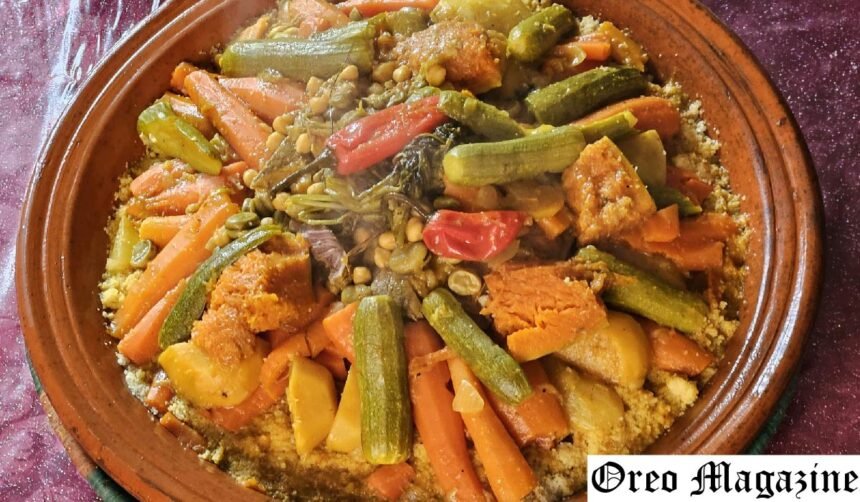
Kouskousi holds an important place in North African food traditions and Mediterranean cooking culture. At first glance, many people confuse it with rice because of its tiny grain-like appearance. However, Kouskousi is actually made from semolina wheat rather than rice. Small granules form after durum wheat semolina combines with water through rolling and shaping techniques. Once prepared correctly, the grains become soft, airy, and fluffy. Because the flavor remains mild, Kouskousi easily absorbs spices, vegetables, broth, herbs, and meat juices. As a result, families and chefs continue using it in both classic and modern dishes. Throughout history, this humble dish represented hospitality, comfort, and community gatherings. Today, growing interest in traditional global cuisine has made Kouskousi increasingly popular in restaurants, food blogs, and home kitchens around the world.
What Is Kouskousi Made Of
Traditional Kouskousi depends on only a few ingredients, yet the final result delivers impressive texture and flavor. Durum wheat semolina forms the foundation because it creates light grains after steaming. Water helps bind the semolina into tiny round particles during preparation. Salt improves overall taste while olive oil or butter adds softness and prevents clumping. In many households, cooks also include aromatic herbs or regional spices for additional depth.
Although Kouskousi resembles grains, it belongs to the pasta family because wheat semolina serves as the main ingredient. Furthermore, authentic Kouskousi contains gluten naturally found in durum wheat. However, some modern food brands now produce alternative versions using corn or rice flour for gluten-free diets. Even with these newer choices, traditional semolina varieties remain the preferred option because they preserve the original flavor and texture linked to North African culinary heritage.
Origin and History of Kouskousi
The history of Kouskousi dates back hundreds of years across the Maghreb region of North Africa. Historians often connect the dish to Berber and Amazigh communities that depended on durable wheat-based foods for daily nourishment. In earlier centuries, families prepared Kouskousi entirely by hand through rolling and steaming methods that required patience and skill. Women often gathered together during preparation, turning cooking into an important social activity.
Over time, the dish became strongly connected to hospitality, family unity, and celebration. Large servings frequently appeared during weddings, religious events, festivals, and important community gatherings. Trade routes later introduced Kouskousi to Mediterranean regions where local cultures adapted recipes using regional spices and ingredients. Despite these changes, the core identity of the dish remained intact. Today, traditional preparation methods still survive in many households, preserving the cultural significance of Kouskousi across generations.
Also Read : Masgonzola Cheese: A Smooth Blue Cheese Alternative
Cultural Importance of Kouskousi
Kouskousi represents much more than a daily meal because it symbolizes togetherness, generosity, and shared traditions. Families commonly gather around one large dish during meals, creating moments of connection and conversation. During celebrations and holidays, preparing Kouskousi often becomes a family event where older generations teach younger relatives traditional cooking methods. Through this process, culinary knowledge continues passing naturally across families and communities.
In many North African cultures, offering Kouskousi to guests reflects respect and hospitality because the dish represents warmth and abundance. Modern fast-food lifestyles have also increased appreciation for traditional recipes connected to heritage and identity. Consequently, chefs, travelers, and food enthusiasts continue highlighting Kouskousi as an important symbol of Mediterranean and North African cuisine. Its strong emotional and cultural value explains why the dish continues thriving despite changing food trends worldwide.
Regional Variations of Kouskousi
Different regions prepare Kouskousi using unique ingredients and local cooking traditions. Moroccan versions often combine vegetables, lamb, and fragrant broth with subtle sweetness from raisins or caramelized onions. Tunisian recipes usually feature bold spices and spicy harissa sauce alongside seafood or meat. Algerian styles commonly include chickpeas, vegetables, and rich tomato-based sauces. Mauritanian preparations often focus on hearty meat broths with deep savory flavor.
Beyond North Africa, larger pearl-style versions became popular across Mediterranean and Middle Eastern cuisines. Israeli pearl couscous offers a chewy texture suitable for salads and roasted vegetable dishes. Lebanese moghrabieh uses larger grains for hearty stews and slow-cooked meals. Greek and Turkish pasta-style versions frequently appear in soups and side dishes. Although preparation styles differ, every variation demonstrates the flexibility and worldwide popularity of semolina-based cuisine.
Taste and Texture of Kouskousi
One of the most appealing qualities of Kouskousi is its soft yet airy texture. Proper preparation creates fluffy grains that remain separate instead of sticky or heavy. The flavor itself stays gentle and slightly nutty, allowing surrounding ingredients to shape the final taste. Therefore, herbs, sauces, vegetables, and spices greatly influence the dish. Rich broths provide savory depth while lemon juice and fresh herbs add brightness.
Sweet ingredients such as cinnamon, almonds, and raisins create festive dessert-style versions enjoyed during celebrations. Because the texture feels light and delicate, Kouskousi pairs equally well with rich stews and lighter salads. Additionally, the grains adapt easily to warm meals, chilled dishes, and meal-prep recipes. This versatility explains why cooks around the world continue embracing Kouskousi in both traditional and contemporary kitchens.
Traditional Cooking Methods
Traditional Kouskousi preparation relies heavily on steaming techniques rather than direct boiling. This method creates the fluffy consistency associated with authentic recipes. Cooks first moisten the semolina grains lightly before placing them into a special steamer known as a couscousière. Steam rises from the broth or stew cooking below, gradually flavoring the grains above.
After the initial steaming stage finishes, cooks remove the grains and gently separate them by hand or with a fork. A second steaming stage improves softness and prevents clumping. Finally, butter, olive oil, or smen adds richness before serving. Although the process takes longer than modern preparation methods, many traditional cooks believe steaming creates superior flavor and texture. These techniques continue surviving today because they preserve the authentic culinary identity of Kouskousi.
Modern Quick Cooking Method
Modern packaged Kouskousi offers convenience without requiring lengthy preparation. Most store-bought varieties arrive pre-steamed, making them ideal for busy lifestyles. Home cooks simply place the grains into a bowl before pouring hot broth or water over them. Covering the bowl for several minutes allows the grains to absorb moisture completely.
After resting, fluffing with a fork creates light texture and separation. Olive oil, butter, herbs, or spices can then improve flavor and softness. This quick preparation style makes Kouskousi useful for fast lunches, weeknight dinners, and meal-prep recipes. Additionally, broth instead of water creates richer flavor without additional cooking time. Because preparation remains simple and flexible, modern cooking methods helped increase global popularity significantly.
Common Ingredients Served With Kouskousi
Many ingredients pair naturally with Kouskousi because the grains absorb surrounding flavors effectively. Chickpeas add texture and plant-based protein while vegetables like carrots, zucchini, onions, pumpkin, and turnips provide sweetness and color. Lamb and chicken remain popular choices because slow-cooked meat creates flavorful broth for the grains. Coastal areas often include shrimp or fish for lighter Mediterranean-style dishes.
Spices also shape traditional recipes in important ways. Cumin, coriander, cinnamon, turmeric, and paprika create warmth and aroma. Tunisian-style harissa sauce adds heat and bold flavor. Sweet ingredients such as almonds and raisins balance savory notes beautifully. Fresh herbs bring brightness while olive oil adds richness and smooth texture. Together, these ingredients create meals full of flavor, nutrition, and cultural tradition.
Nutrition and Health Benefits
Kouskousi offers several nutritional advantages when included in balanced meals. Semolina wheat provides carbohydrates that support energy production throughout the day. Traditional varieties also contain moderate amounts of protein and important vitamins and minerals. Whole wheat versions deliver higher fiber content, supporting digestion and helping maintain fullness longer after meals. Because Kouskousi naturally contains low fat levels, many people include it in lighter meal plans.
However, overall nutrition depends greatly on preparation style and serving ingredients. Vegetables, legumes, lean proteins, and moderate olive oil create healthier meals than heavy sauces or excessive butter. Additionally, Kouskousi cooks quickly, encouraging homemade meals instead of processed alternatives. Although traditional semolina versions contain gluten, alternative grain options now support gluten-free diets. Consequently, Kouskousi continues appealing to people seeking flavorful and flexible meal options.
Kouskousi Compared With Rice, Quinoa, and Pasta
Kouskousi often appears alongside rice, quinoa, and pasta because all serve as meal foundations. However, important differences separate these foods. Kouskousi technically belongs to the pasta family because semolina wheat forms the base ingredient. Unlike rice, it cooks quickly and absorbs flavor very effectively. Rice remains naturally gluten-free while traditional Kouskousi contains gluten from wheat.
Quinoa differs completely because it is actually a seed with higher protein content and additional amino acids. Standard pasta usually comes in larger shapes and requires boiling instead of steaming or hydration. Texture also changes significantly because Kouskousi stays lighter and fluffier than many pasta dishes. Preparation time remains shorter than both rice and quinoa in most situations. Therefore, many cooks choose Kouskousi when they want quick preparation and adaptable flavor.
Common Cooking Mistakes
Simple preparation mistakes can negatively affect the final texture and flavor of Kouskousi. Excessive water often creates soggy and heavy grains instead of fluffy texture. Overcooking also ruins the delicate consistency associated with authentic preparation. Many beginners forget to fluff the grains after resting, causing clumps and uneven texture. Others serve Kouskousi plain without broth, herbs, or seasoning, resulting in bland flavor. Skipping resting time prevents proper moisture absorption and softening. Some people mistakenly boil Kouskousi exactly like rice instead of steaming or hydrating it gently. Fortunately, these mistakes are easy to avoid with proper technique. Careful liquid measurement, resting time, and gentle fluffing greatly improve texture and overall flavor.
Modern Uses of Kouskousi
Modern food culture introduced many creative ways to enjoy Kouskousi beyond traditional stews. Meal-prep bowls became especially popular because the grains store and reheat easily. Vegan recipes now combine Kouskousi with roasted vegetables, nuts, chickpeas, and herbs for flavorful plant-based meals. Mediterranean salads using tomatoes, cucumbers, parsley, mint, olive oil, and lemon juice also gained popularity during warmer seasons.
Some cooks stuff vegetables with seasoned Kouskousi while others create seafood bowls with spicy sauces and shrimp. High-protein lunch bowls featuring grilled chicken and vegetables continue attracting health-conscious eaters. Gourmet restaurants even serve elegant plated versions using premium ingredients and artistic presentation styles. These modern adaptations help younger generations appreciate traditional cuisine while keeping Kouskousi relevant within contemporary food culture.
Conclusion
Kouskousi remains far more meaningful than a simple semolina dish because it carries centuries of culinary history, family traditions, and cultural identity. From traditional North African households to modern global restaurants, its popularity continues growing because of its light texture, flexibility, and comforting flavor. The dish pairs beautifully with vegetables, meat, seafood, herbs, and rich spices while adapting easily to modern cooking trends. Traditional steaming methods preserve authenticity while modern quick-cooking versions support busy lifestyles. Additionally, balanced preparation methods make Kouskousi both nutritious and satisfying. As interest in authentic cultural cuisine continues increasing worldwide, Kouskousi remains an enduring symbol of hospitality, heritage, and timeless Mediterranean cooking traditions.