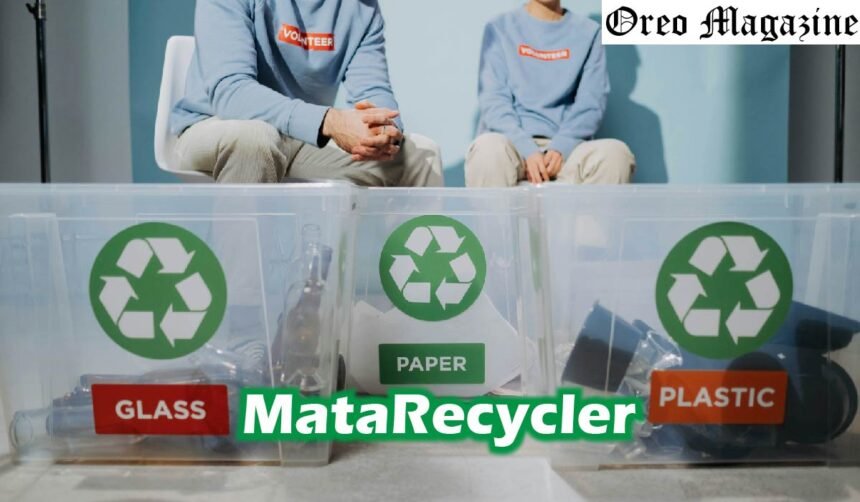
Urban waste continues increasing as cities expand and consumer demand rises worldwide. Because of this growth, recycling systems face greater pressure every year. Many traditional recycling methods still depend heavily on manual labor and outdated collection systems. Unfortunately, manual sorting often creates contamination, slower processing, and inconsistent recycling quality. When recyclable items mix with non-recyclable materials, recovery rates drop significantly. Consequently, municipalities and businesses lose valuable reusable resources. MataRecycler introduces a smarter solution for these modern waste challenges.
The system combines artificial intelligence, automation, smart sensors, machine learning, and data analytics into one connected platform. Instead of relying on guesswork, users receive accurate guidance and real-time monitoring. Furthermore, MataRecycler supports homes, companies, recycling centers, and smart city infrastructure. Through intelligent recycling technology, the platform creates cleaner recycling streams and more efficient waste management systems.
What Is MataRecycler?
MataRecycler is an advanced recycling and waste optimization platform designed for modern environmental needs. It uses artificial intelligence, IoT-enabled sensors, machine learning algorithms, and live analytics to identify and manage recyclable materials more efficiently. The system can recognize materials such as plastics, metals, paper products, glass containers, and electronic waste. Once identified, materials move into the correct recycling category automatically.
This process reduces contamination while improving recycling accuracy. Additionally, MataRecycler adapts to different operational environments. Families can use it for simpler recycling routines at home. Businesses can improve waste tracking and sustainability reporting through connected dashboards. Recycling facilities can increase processing efficiency and reduce sorting mistakes. Municipalities and smart cities can also integrate MataRecycler into public waste infrastructure for better collection management and cleaner urban spaces.
Why Modern Waste Management Requires MataRecycler
Current waste management systems struggle to keep pace with modern consumption patterns. Landfills continue filling with recyclable materials that still hold economic value. Moreover, contamination within recycling streams remains a serious issue for many cities and facilities. A single incorrect item can lower the quality of an entire recycling batch. Traditional manual sorting also creates problems because workers may experience fatigue during high-volume operations.
Therefore, recycling accuracy often becomes inconsistent. Collection inefficiencies add another challenge because fixed pickup schedules waste fuel and resources. Some bins remain empty during collection, while others overflow before scheduled pickup times. Businesses also face increasing pressure to improve sustainability reporting and ESG performance. Consumers, meanwhile, need clearer disposal instructions to recycle correctly. MataRecycler addresses these issues through smart recognition systems, connected sensors, automated sorting, and real-time waste tracking technology.
How MataRecycler Works
MataRecycler operates through an integrated and intelligent recycling process. First, users place recyclable waste into smart collection units or connected recycling bins. These units may exist in homes, offices, schools, shopping centers, factories, or city streets. After disposal, artificial intelligence scans the materials and identifies the waste category. The system can recognize common recyclable materials including plastic, paper, metal, glass, and electronics.
Next, built-in sensors collect operational information such as fill levels, material volume, location tracking, and disposal behavior. Automated sorting systems then direct waste into the correct recycling stream with greater accuracy than manual methods. Once processing begins, the platform sends operational data into cloud-based dashboards. Businesses and municipalities can review recycling performance, collection efficiency, contamination rates, and recovery trends. Over time, machine learning continuously improves recognition accuracy and system performance.
Core Technologies Behind MataRecycler
Several advanced technologies power the MataRecycler platform. Artificial intelligence helps identify and classify waste materials more accurately during the sorting process. Machine learning allows the system to improve over time as it processes larger amounts of waste data. This adaptability becomes important because recycling habits, packaging materials, and environmental regulations constantly evolve. IoT sensors connect bins, recycling units, and collection points into one intelligent network.
These sensors provide live updates regarding fill levels, collection timing, and operational conditions. Computer vision technology also supports recognition through shape analysis, texture scanning, and color detection. Cloud analytics transforms raw recycling information into performance reports, operational insights, and sustainability dashboards. Mobile app integration further improves user engagement by offering disposal guidance, recycling tracking, and participation rewards. Together, these technologies create a modern and intelligent recycling ecosystem.
Key Features of MataRecycler
MataRecycler includes several practical features designed to improve recycling efficiency and operational visibility. Smart waste recognition allows the system to classify recyclable materials more accurately. Automated sorting reduces human error while improving the quality of recovered materials. Fill-level monitoring helps collection teams understand when bins require pickup. Real-time tracking improves operational awareness across collection systems and recycling facilities.
Predictive collection routing reduces unnecessary vehicle trips and lowers fuel consumption. Mobile app guidance provides users with simple recycling instructions and disposal recommendations. Sustainability dashboards support environmental performance tracking for businesses and municipalities. ESG reporting tools help organizations measure and document sustainability progress more effectively. Contamination detection features also reduce damaged or mixed recyclable materials. Some versions may include reward systems that encourage stronger public recycling participation. Altogether, these features transform recycling into a smarter and more measurable process.
Benefits of MataRecycler
MataRecycler provides multiple advantages for households, businesses, municipalities, and recycling facilities. First, automated recognition improves recycling accuracy by reducing sorting mistakes. Cleaner recycling streams increase the recovery value of reusable materials. Additionally, better sorting lowers contamination rates and reduces unnecessary material rejection. The system also decreases landfill waste by recovering larger amounts of recyclable resources.
Smart routing technology further improves efficiency by optimizing collection schedules and reducing fuel use. Businesses benefit from stronger operational visibility and more detailed sustainability reporting. Accurate recycling data supports ESG goals and environmental compliance programs. Households also benefit because recycling becomes easier and less confusing. Clear disposal guidance encourages stronger participation and better environmental habits. Therefore, MataRecycler strengthens recycling performance while supporting cleaner communities and more sustainable waste management practices.
MataRecycler for Households
Many households struggle with recycling because disposal rules often appear unclear or inconsistent. Some materials seem recyclable but actually require special processing methods. Incorrect disposal can contaminate entire recycling bins. MataRecycler simplifies this process through intelligent disposal guidance and connected recycling tools. Families can receive instructions regarding material separation and proper waste placement.
The system can also help users track recycling behavior over time. This creates stronger environmental awareness and encourages more responsible waste habits. Furthermore, children and families can learn about sustainability through practical daily actions. Instead of treating recycling as a confusing responsibility, MataRecycler makes the process easier, more visible, and more rewarding for households.
MataRecycler for Businesses
Businesses generate significant waste across offices, retail stores, factories, hotels, schools, campuses, and commercial facilities. Managing this waste efficiently remains important for operational costs and environmental responsibility. MataRecycler helps organizations track recyclable materials, monitor contamination rates, and improve waste management performance. The system can identify locations producing the highest waste volumes and reveal operational inefficiencies. Managers can then improve sorting procedures and employee training programs.
Better waste separation may reduce landfill dependency and disposal expenses. Additionally, MataRecycler supports sustainability reporting through measurable environmental data. Many organizations now require detailed ESG documentation and environmental performance metrics. MataRecycler provides accurate reporting tools instead of relying on rough estimates. This strengthens operational transparency while supporting long-term sustainability strategies.
MataRecycler for Smart Cities
Smart cities depend on connected technologies that improve public infrastructure and urban efficiency. Waste management plays a critical role within these systems. MataRecycler helps municipalities monitor recycling bins, optimize collection routes, and reduce waste overflow problems. Instead of following rigid collection schedules, city teams can respond based on real-time operational data. This improves service timing while reducing unnecessary vehicle movement. Lower fuel use also supports cleaner air and reduced emissions.
Furthermore, municipalities can monitor recycling performance across different districts and neighborhoods. Officials can identify problem areas and improve public recycling education campaigns. Cleaner waste systems also support stronger public hygiene and higher community satisfaction. Consequently, MataRecycler fits naturally within modern smart city development strategies.
MataRecycler and the Circular Economy
The circular economy focuses on extending the lifespan of materials instead of sending them directly to landfills. MataRecycler supports this goal by improving recycling quality and material recovery rates. Better sorting systems allow more materials to return into manufacturing and production cycles. This reduces pressure on raw material extraction while conserving valuable resources.
Additionally, businesses can recover economic value from materials that previously became waste. MataRecycler also provides better visibility into material movement throughout recycling systems. Organizations can analyze which materials become recycled, rejected, or wasted during processing. These insights support stronger environmental planning and more sustainable operational decisions. Therefore, MataRecycler contributes directly to resource recovery and long-term circular economy objectives.
MataRecycler vs Traditional Recycling Systems
Traditional recycling systems often rely heavily on manual labor and fixed operational schedules. MataRecycler replaces many of these limitations through automation, sensors, analytics, and connected technology. Manual sorting processes can become inconsistent during busy operations because workers face fatigue and repetitive tasks. AI-assisted sorting improves consistency while reducing repeated human mistakes. Older recycling systems also provide limited visibility regarding fill levels and collection needs.
Smart sensors within MataRecycler deliver live operational updates and improve collection timing. Traditional collection routes usually remain fixed regardless of actual waste volume. Smart routing systems adapt dynamically based on real-time data. User guidance also differs significantly because MataRecycler provides app-based instructions and connected recycling support. Therefore, the platform offers stronger scalability, visibility, and operational efficiency than older recycling systems.
Also Read : Edivawer: Smart AI Workflows and Learning Innovation
Environmental Impact of MataRecycler
MataRecycler creates several important environmental advantages for communities and businesses. Improved sorting systems reduce landfill dependency by recovering larger amounts of recyclable material. Cleaner recycling streams also reduce rejected loads and material waste. Smart collection routing lowers vehicle emissions and fuel consumption through better operational planning.
Improved plastic recognition may also reduce pollution entering waterways and landfill systems. Additionally, stronger recycling systems conserve natural resources by returning metal, paper, glass, and plastic into production cycles. Reduced resource extraction supports environmental conservation and lower industrial impact. Cleaner urban recycling systems also improve public health and community cleanliness. Consequently, MataRecycler supports environmental sustainability while improving urban waste infrastructure.
Economic Benefits of MataRecycler
MataRecycler may also provide strong financial advantages for organizations and municipalities. Smarter collection systems reduce unnecessary vehicle trips and improve workforce efficiency. Better sorting systems lower the number of rejected recyclable materials and increase recovery value. This allows businesses and cities to recover more economic value from waste streams.
Lower landfill dependency may also reduce disposal fees over time. Furthermore, recovered recyclable materials can support manufacturing and supply chain operations. Businesses can use connected recycling data for operational planning, sustainability reporting, and environmental strategy development. Municipalities can also allocate waste management resources more effectively through real-time analytics. Therefore, MataRecycler supports both environmental sustainability and long-term cost efficiency.
Challenges of MataRecycler
Although MataRecycler offers significant advantages, several challenges still require consideration. Initial setup costs may appear expensive for smaller organizations or municipalities. Smart bins, connected sensors, dashboards, and software infrastructure all require investment. Technical maintenance also remains important because connected systems require ongoing support and updates.
User education creates another challenge because recycling behavior still depends partly on human participation. Data privacy also deserves attention because connected systems collect operational and behavioral information. Infrastructure limitations may affect implementation in certain regions with limited recycling capacity. Local recycling regulations and waste management policies can also vary between locations. Therefore, successful adoption requires careful planning, training, and communication strategies.
Future of MataRecycler
The future of MataRecycler appears highly promising as recycling technologies continue evolving worldwide. Artificial intelligence may achieve even higher recognition accuracy and faster sorting capabilities. Smart city integration will likely become more widespread as urban systems become increasingly connected. Solar-powered recycling facilities could further reduce energy consumption and operational emissions. Advanced e-waste recognition systems may improve recovery rates for electronics and rare materials.
Better plastic recognition may also help manage complex packaging waste more effectively. Community reward systems could strengthen public participation and recycling awareness. Global expansion may bring smart recycling infrastructure into underserved regions facing major waste challenges. Carbon tracking integration may also connect recycling performance directly with climate goals and sustainability programs.
Who Should Use MataRecycler?
MataRecycler supports a wide range of users and operational environments. Homeowners can use the platform for easier and more accurate recycling routines. Apartment communities may improve shared waste management systems and reduce contamination. Schools and universities can teach sustainability through practical recycling programs. Offices and commercial facilities can reduce waste costs while improving operational visibility. Factories and industrial sites can manage high-volume recyclable materials more efficiently.
Retail stores and shopping centers can strengthen customer-facing sustainability initiatives. Municipalities and recycling facilities can improve public waste systems and recovery performance. Smart city planners can integrate connected recycling infrastructure into broader urban development projects. Sustainability teams can also use dashboards for environmental tracking and ESG reporting.
Conclusion
MataRecycler represents a smarter and more connected approach to modern recycling and waste management. Through artificial intelligence, IoT sensors, machine learning, automation, and analytics, the platform improves recycling accuracy and operational efficiency. Households benefit from clearer recycling guidance and stronger sustainability habits.
Businesses gain better waste visibility, ESG reporting tools, and cost-saving opportunities. Municipalities and smart cities can improve collection systems, reduce landfill pressure, and support cleaner public infrastructure. Although implementation may require investment and education, the long-term environmental and economic benefits remain significant. As global waste challenges continue increasing, intelligent recycling systems like MataRecycler may become essential for cleaner and more sustainable communities.
FAQs
What Is MataRecycler?
MataRecycler is a smart recycling and waste management system that uses artificial intelligence, IoT sensors, automation, and analytics to improve recycling accuracy. The platform helps identify, sort, track, and manage recyclable materials more efficiently. It supports households, businesses, recycling facilities, and smart cities through connected waste management technology.
How Does It Improve Recycling?
MataRecycler improves recycling through automated material recognition and smart sorting systems. Artificial intelligence can identify plastics, metals, paper, glass, and electronics more accurately than many traditional manual methods. Additionally, smart sensors and real-time tracking help reduce contamination, improve collection efficiency, and increase recyclable material recovery.
Can Businesses Use It?
Yes, businesses can use MataRecycler to improve waste management operations and sustainability performance. Offices, hotels, factories, retail stores, and campuses can track recyclable materials, reduce landfill waste, and monitor contamination levels. The platform also supports ESG reporting, operational analytics, and sustainability dashboards for better environmental tracking.
Is It Useful for Smart Cities?
Yes, MataRecycler works well within smart city infrastructure. Cities can use connected bins, real-time monitoring, and predictive routing to improve waste collection systems. Smart tracking also helps municipalities reduce overflowing bins, lower fuel use, and improve recycling performance across neighborhoods. Therefore, the platform supports cleaner and more efficient urban waste management.
Does It Support Sustainability Goals?
Yes, MataRecycler strongly supports sustainability and circular economy goals. The system helps recover more recyclable materials while reducing landfill waste and contamination. Smarter collection routes may also lower emissions and fuel consumption. Additionally, better recycling accuracy helps conserve resources by returning useful materials into production cycles instead of wasting them.
Visit For More Info : Oreo Magazine