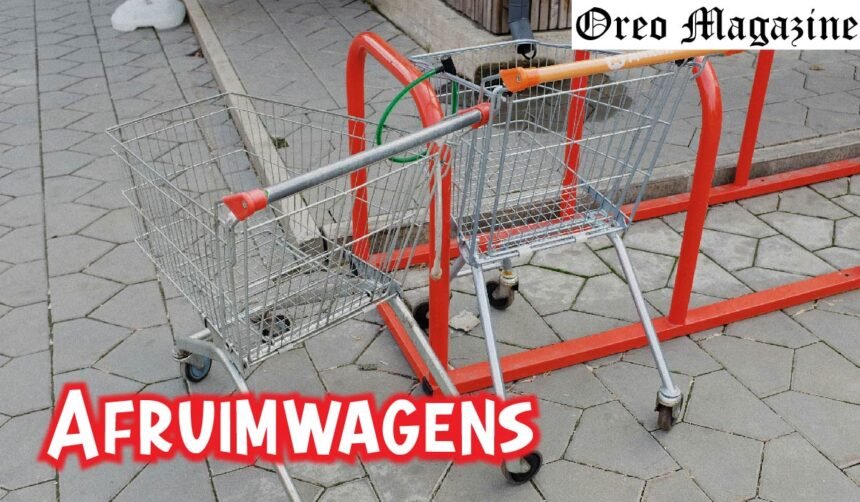
Afruimwagens play an important role in improving efficiency across modern industries. These systems help organizations reduce workload and streamline daily operations. In agriculture, hospitality, logistics, and industrial environments, the demand for smart transport tools continues to grow rapidly. However, many people still do not fully understand what Afruimwagens are or why they matter in practical use. This confusion has increased online searches from farmers, business owners, and industry managers who want better workflow solutions.
At the same time, industries face rising operational costs and limited workforce availability. Therefore, businesses actively look for equipment that improves productivity while saving time. Afruimwagens provide a practical answer to these challenges because they combine transporting, clearing, and distributing functions in a single system. As a result, they improve efficiency in both small and large-scale operations. This article explains Afruimwagens in detail, including their meaning, types, uses, benefits, and modern importance.
What Are Afruimwagens?
Afruimwagens are specialized transport and clearing wagons used in agriculture, hospitality, logistics, and industrial sectors. These wagons help move, collect, and distribute materials efficiently across different working environments. The term comes from Dutch language structure, where “Afruim” means clearing or removing, and “Wagens” refers to carts or wagons. Therefore, Afruimwagens literally describe carts designed for clearing and handling materials.
In simple terms, Afruimwagens are multi-purpose transport systems that reduce manual effort and improve workflow speed. They carry heavy loads, remove waste, and distribute materials across fields, kitchens, warehouses, or industrial sites. Because of their flexibility, they are widely adopted in various industries where efficiency and speed are important.
Purpose and Core Function
Afruimwagens serve a clear purpose in modern operations. Their primary function is to reduce manual labor by handling heavy transport tasks efficiently. Instead of carrying loads repeatedly, workers can complete tasks in fewer trips, which saves time and effort.
Additionally, Afruimwagens improve workflow organization. They allow smooth movement of materials such as crops, waste, tools, or supplies. Moreover, they combine clearing, transporting, and distributing functions into one system. This integration makes them extremely useful in industries where productivity and speed are essential.
Evolution of Afruimwagens
Afruimwagens have changed significantly over time due to technological progress. Initially, simple wooden carts were used in farming and trade activities. These basic carts helped transport goods but had limited strength and durability.
Later, metal structures replaced wood, making wagons stronger and more reliable. Over time, hydraulic systems were introduced, which improved unloading efficiency and reduced physical effort. Eventually, modern Afruimwagens evolved into advanced machines with smart features, sensors, and electric systems.
Today, automation and digital tracking systems have further improved their performance, making them more efficient, accurate, and user-friendly than ever before.
Types of Afruimwagens
Afruimwagens come in different categories based on usage and environment.
Manure Afruimwagens
These wagons are used in farming to collect and spread manure across fields, improving soil quality and productivity.
Silage Afruimwagens
These models transport silage for livestock feeding and ensure balanced and efficient food distribution.
Hydraulic Afruimwagens
These wagons use hydraulic systems for smooth loading and unloading, reducing manual effort and increasing precision.
Compact Afruimwagens
Compact versions are designed for small farms or narrow spaces where maneuverability is important.
Electric Afruimwagens
Electric models reduce fuel usage and support environmentally friendly operations with lower emissions.
Key Features of Afruimwagens
Afruimwagens are designed with several advanced features that improve performance. They offer high load capacity, allowing large quantities of material to be transported in one trip. Strong construction materials ensure durability even in harsh working conditions.
In addition, spreading systems help distribute materials evenly across fields or surfaces. Advanced wheels and suspension systems provide stability on uneven terrain. Safety mechanisms like braking systems improve control and reduce risks during operation.Modern models may also include GPS tracking and smart sensors, which enhance accuracy and real-time monitoring.
Benefits of Using Afruimwagens
Higher Efficiency
Afruimwagens complete tasks faster by reducing manual labor and increasing productivity.
Reduced Labor Costs
Fewer workers are required for heavy transport tasks, which lowers operational expenses.
Time Savings
Large workloads are completed in fewer trips, improving overall workflow speed.
Improved Safety
Workers experience less physical strain, reducing the risk of injuries.
Eco-Friendly Operation
Efficient material usage helps reduce environmental impact, especially in agriculture.
Multi-Industry Application
Afruimwagens are useful in agriculture, hospitality, logistics, construction, and more.
Afruimwagens in Agriculture
It play a major role in modern farming systems. They help transport crops from fields to storage facilities efficiently. Additionally, they assist in spreading manure evenly, which improves soil fertility and crop yield.
They are also used for silage transportation, ensuring proper feeding of livestock. In precision farming, Afruimwagens help distribute materials accurately, reducing waste and improving productivity. Farmers benefit greatly from reduced workload and increased efficiency.
Industrial and Service Applications
Hospitality Sector
Afruimwagens help clear dishes, transport supplies, and maintain cleanliness in restaurants and hotels.
Healthcare Facilities
They are used to move medical equipment, supplies, and waste safely within hospitals.
Warehousing
These wagons assist in transporting goods, tools, and inventory efficiently.
Construction Sites
Afruimwagens carry bricks, tools, and materials across job areas.
Logistics Industry
They support fast and organized movement of goods in distribution centers.
Also Read : Novafork: Free Movies, TV Shows & Anime Without Login
How Afruimwagens Work
It operate through a simple process. First, materials are loaded manually or mechanically onto the wagon. Then, they are transported using durable wheels designed for smooth movement across different terrains.
After reaching the destination, materials are unloaded using manual, hydraulic, or automated systems. In modern versions, sensors and smart systems improve precision, efficiency, and control during operation.
How to Choose the Right Afruimwagen
Choosing the right Afruimwagen depends on several factors. Load capacity is important because it determines how much material can be carried. Terrain type also matters, as rough surfaces require stronger wheels and suspension systems.
Budget and quality should be balanced to ensure long-term value. Additionally, modern technology features such as automation and tracking systems can improve efficiency. Choosing a reliable brand ensures better performance and durability.
Maintenance and Care
Proper maintenance extends the life of Afruimwagens. Regular cleaning prevents dirt buildup and damage. Lubrication ensures smooth movement of mechanical parts.
Storage in dry areas protects against rust and corrosion. Routine inspections help detect issues early. Professional servicing ensures long-term performance and safety.
Common Mistakes to Avoid
Overloading It can damage their structure and reduce efficiency. Ignoring maintenance leads to faster wear and costly repairs.
Using the wrong model for a specific task reduces productivity. Poor handling can also create safety risks in work environments. Avoiding these mistakes ensures better performance and longer lifespan.
Future Trends
The future of it is driven by innovation. Automation will increase efficiency and reduce human effort. Electric models will replace fuel-based systems for sustainability.
AI integration will improve decision-making and performance. Lightweight materials will enhance durability and efficiency. Smart sensors and IoT systems will enable real-time monitoring and predictive maintenance.
Real-World Applications
These are widely used in farms, hotels, warehouses, and industrial environments. Farms use them for crop transport and waste management. Hotels rely on them for cleaning and service operations.
Warehouses use Afruimwagens for inventory handling. Industrial sectors depend on them for logistics and material movement. These applications improve productivity and reduce operational costs.
Why Afruimwagens Matter
These are essential in modern industries because they improve efficiency and reduce manual workload. They increase productivity by simplifying transport and clearing operations.
They also enhance workplace safety by reducing physical strain. Additionally, they support sustainability through efficient resource use. Because of these benefits, It remain important tools in multiple industries.
Conclusion
These are powerful tools that support modern industries in many ways. They improve efficiency, reduce costs, and enhance safety across different environments. Their flexibility makes them suitable for agriculture, hospitality, logistics, and construction sectors.
As technology continues to evolve, Afruimwagens will become even more advanced and efficient. Therefore, they will remain a key part of industrial growth and modern workflow systems in the future.
FAQs
Visit For More Info : Oreo Magazine