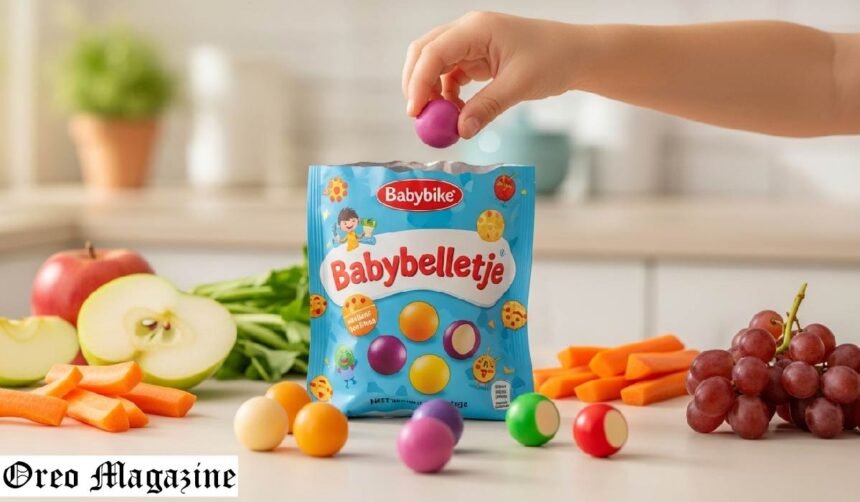
Babybelletje is a warm and playful word that many people connect with comfort, snacks, and family moments. The term sounds soft and friendly because it follows a Dutch-style language pattern that creates affection and familiarity. Many online users mention Babybelletje while discussing Mini Babybel cheese, lunchbox snacks, or cute everyday expressions. However, one important fact should remain clear from the beginning. Babybelletje is not an official product name from the Babybel company.
Instead, the word works more like an informal nickname inspired by Mini Babybel and Dutch diminutive speech styles. This softer variation gives the term emotional warmth and personality. In modern food culture, emotional language spreads quickly because people enjoy words that feel personal and comforting. Babybelletje matches this trend naturally because it connects small cheese snacks, childhood memories, convenience, and playful family experiences within one memorable expression.
What Does Babybelletje Mean?
The meaning behind Babybelletje becomes clearer when looking at Dutch language structure. In Dutch, the word “bel” translates to “bell.” Meanwhile, endings like “-tje” or “-letje” create diminutive forms that make words sound smaller, softer, or more affectionate. Therefore, Babybelletje loosely suggests something similar to “little bell” or “cute little bell.” Dutch speakers commonly use these endings during everyday conversations because diminutives create emotional closeness and friendliness.
When someone says Babybelletje, the word feels gentle instead of formal. This emotional softness explains why the term fits naturally within snack culture, parenting language, and family communication. Additionally, the pronunciation sounds smooth and rhythmic, which helps people remember the word easily even if they do not understand Dutch grammar.
Is Babybelletje an Official Product Name?
Babybelletje does not serve as the official product name used by the Babybel company. The actual commercial product remains Mini Babybel, the globally recognized small cheese snack famous for its red wax shell and compact round shape. Still, many people casually use Babybelletje during online conversations or in Dutch-speaking environments because the word sounds cute and affectionate. Nicknames like this often develop naturally around popular foods connected with childhood, comfort, and family traditions.
Official Mini Babybel information describes the product as real cheese made from pasteurized milk. Many varieties also suit vegetarians because they use microbial enzymes instead of animal rennet. Furthermore, the cheese provides calcium and protein, making it popular among families seeking practical snack choices. Therefore, while Babybelletje is not a registered trademark name, the word still reflects the emotional popularity surrounding Mini Babybel products.
The History Behind Babybel and Mini Babybel
The story behind Babybel begins with the Bel Group, a French cheese company established during the nineteenth century. Over the years, the company created several dairy products, but Mini Babybel became especially successful during the late twentieth century. The iconic wax-covered mini cheese format officially launched in 1977 and quickly gained international popularity.
Families at that time increasingly needed hygienic, portable, and individually portioned foods that fit modern lifestyles. Mini Babybel answered those demands successfully through its small size, protective wax shell, and mild flavor profile. Children enjoyed the fun appearance, while parents appreciated the convenience and freshness. As decades passed, Mini Babybel became closely associated with lunchboxes, school snacks, travel food, and childhood routines across many countries.
Why Babybelletje Sounds Cute and Memorable
Several emotional and linguistic qualities make Babybelletje sound especially cute and memorable. Dutch diminutives naturally create warmth and softness during conversation. Additionally, the repeating sounds inside the word produce a playful rhythm that feels easy to pronounce. Humans often react positively to words that sound smooth, gentle, and emotionally comforting.
Babybelletje also creates feelings connected with snacks, family life, and nostalgic childhood memories. Because social media rewards emotional and memorable language, affectionate words often spread faster online than technical or formal expressions. Furthermore, the softness inside the term helps people feel relaxed and familiar with it immediately. This combination of comfort, simplicity, and playful pronunciation explains why Babybelletje remains highly recognizable after a single hearing.
Babybelletje and Mini Babybel Cheese
Babybelletje strongly connects with Mini Babybel cheese because the snack already carries a playful and family-friendly identity. Mini Babybel products appear as small round cheese portions individually wrapped inside bright wax coatings, usually red. Their compact design allows people to carry them easily inside lunchboxes, backpacks, office bags, and picnic baskets. Children especially enjoy peeling the wax layer because the process feels interactive and entertaining. Parents appreciate the convenience because each cheese portion stays protected and easy to manage. Workers, travelers, and students also benefit from snacks requiring little preparation. Therefore, the emotional connection surrounding Mini Babybel naturally encourages affectionate nicknames like Babybelletje.
What Makes the Red Wax Coating Special?
The famous red wax shell serves practical and emotional purposes at the same time. First, the wax helps protect the cheese while preserving freshness during short periods outside refrigeration. Second, the bright red appearance creates instant visual recognition because consumers immediately associate the wax with Mini Babybel. The peeling experience itself also contributes strongly to the snack’s popularity. Many adults remember removing the wax layer during childhood, which creates nostalgic emotional connections later in life. Although packaging systems continue evolving today, the wax shell remains central to the product’s identity. Even when companies introduce sustainable packaging improvements, the iconic red wax still defines the Mini Babybel experience.
Ingredients and Nutrition of Babybelletje
Mini Babybel cheese products commonly contain pasteurized cow’s milk, salt, lactic cultures, and microbial enzymes. Because many versions use microbial enzymes instead of animal rennet, vegetarian consumers can often enjoy the product comfortably. Nutritionally, Mini Babybel provides protein and calcium, both essential for muscle support and healthy bones. The cheese also contains fats that help people feel full between meals. Portion control remains another major advantage because every cheese round comes individually sized. Some regions additionally offer lighter versions and alternative flavor styles for consumers seeking different nutritional preferences. However, exact nutrition details may vary depending on the product variety and country.
Babybelletje as a Snack for Kids and Adults
Babybelletje-style snacks work well for many different age groups because they combine portability, convenience, and mild taste. Children enjoy the playful packaging and soft cheese texture. Parents appreciate the controlled serving size and straightforward ingredient profile. Students often carry Mini Babybel during busy school schedules because the snack requires no preparation. Office workers and travelers also value foods that remain compact and easy to transport. Furthermore, peeling the wax creates a small moment of interaction that makes eating feel more enjoyable compared with ordinary packaged cheese snacks. The gentle flavor also appeals to consumers who dislike stronger aged cheeses.
Babybelletje in Lunchboxes and Daily Routines
Many households include Mini Babybel products inside everyday meal routines because the snacks simplify portion planning and food preparation. A Mini Babybel fits easily beside crackers, fruit slices, vegetables, or sandwiches inside lunchboxes. Parents often pack the cheese for school lunches because it stays protected and simple to handle. Adults may keep Mini Babybel inside office refrigerators for quick snack breaks during work hours. Road trips, outdoor activities, and picnics also benefit from portable foods requiring little effort. Therefore, Babybelletje symbolizes more than cheese itself. The term also represents convenience, familiarity, and reliability inside busy daily life.
Different Varieties and Flavors
Mini Babybel now appears in several different varieties depending on regional markets and consumer demand. The original version remains the most recognizable, but consumers can also find lighter options, cheddar-style flavors, mozzarella-inspired versions, and even plant-based alternatives in certain countries. This product expansion reflects changing eating habits and growing demand for variety without losing convenience. Despite flavor changes, most varieties maintain the same round size, wax shell, and individually portioned packaging. This consistency helps preserve emotional familiarity across different generations and markets.
Babybelletje and Modern Food Trends
Modern food trends strongly support snacks like Mini Babybel because consumers increasingly value convenience, portion control, recognizable ingredients, and portability. Many people now prefer smaller snack-style eating patterns instead of large traditional meals. Protein-rich foods also continue gaining popularity among health-conscious consumers. Babybelletje-style snacks fit naturally into these habits because they provide measured portions and familiar ingredients. Family-friendly packaging and portable formats also match the needs of modern parents and busy professionals. Furthermore, food companies now focus more heavily on sustainability because consumers increasingly care about packaging waste and environmental responsibility.
Also Read : Kouskousi: A Traditional Dish With Rich Cultural Roots
Packaging and Sustainability Updates
The Babybel company has introduced packaging improvements in certain regions while maintaining the product’s recognizable wax identity. Some markets now use recyclable paper packaging and reduced-plastic materials to support environmental goals. These updates reflect broader food industry efforts toward sustainable packaging systems. However, the red wax shell still remains central because consumers strongly associate it with freshness and product recognition. Therefore, modern sustainability efforts continue balancing environmental progress with emotional brand familiarity.
Creative Ways to Use Babybelletje
People enjoy Babybelletje-style snacks in many creative ways beyond simply eating them alone. Parents sometimes use Mini Babybel pieces for lunchbox art and playful food decorations designed for children. The cheese rounds also work well on snack boards alongside crackers, fruit, and nuts. Some people melt Mini Babybel into sandwiches or warm snacks because the cheese softens easily during heating. Picnic trays, party platters, and simple cooking activities also benefit from individually portioned cheese products. This versatility helps increase the snack’s long-term popularity among families.
Babybelletje as a Parenting and Comfort Word
Outside food culture, Babybelletje can also function as a comforting parenting expression. Some parents use the word as a playful nickname because it sounds soft, warm, and emotionally gentle. Affectionate language often strengthens emotional bonding during childhood interactions. Therefore, Babybelletje may symbolize sweetness, calmness, and emotional warmth inside family conversations. This softer interpretation explains why the term spreads beyond snack discussions into parenting language and affectionate speech patterns.
Cultural Meaning of Babybelletje
Babybelletje reflects larger cultural traditions involving Dutch language warmth, affectionate speech styles, and emotional familiarity. Many cultures use smaller word forms to express care, comfort, and friendliness. Over time, repeated snack rituals also become emotionally meaningful inside family routines. Opening Mini Babybel cheese during school lunches, travel breaks, or afternoon snacks creates childhood memories that remain emotionally important later in life. Therefore, Babybelletje connects not only with food products but also with nostalgia, routine, and emotional comfort.
Babybelletje vs Regular Cheese Snacks
| Feature | Babybelletje / Mini Babybel | Regular Cheese Snack |
|---|---|---|
| Portion Size | Individually portioned | Varies |
| Packaging | Wax-coated and wrapped | Often sliced or packed |
| Snack Appeal | Playful and child-friendly | Usually more ordinary |
| Portability | Very convenient | Depends on packaging |
| Brand Identity | Strong visual recognition | Less distinctive |
Benefits of Babybelletje
Babybelletje offers several useful advantages for modern consumers. The product provides portability, controlled portions, calcium, protein, vegetarian suitability, and mild flavor appeal. Additionally, the wax shell creates playful interaction that many children enjoy. Lunchbox convenience also remains important because the cheese stays protected and easy to carry. Combined together, these qualities explain why Mini Babybel continues succeeding across global snack markets.
Things to Consider Before Eating Babybelletje
Consumers should still consider several practical points before eating Mini Babybel products regularly. People with dairy allergies or lactose sensitivity should check ingredients carefully before consumption. Sodium levels may also matter for consumers monitoring salt intake. Young children should eat under adult supervision because small foods may create choking risks. Balanced eating habits remain important as well because cheese should support a varied diet instead of replacing full meals. Proper storage instructions should also be followed to maintain freshness and safety.
Common Misunderstandings About Babybelletje
Several misunderstandings often appear around Babybelletje online. First, the term does not function as an official product title from the Babybel company. Second, the word does not always refer only to cheese because some families use it affectionately during conversations. Third, Mini Babybel products should never replace balanced meals completely. Fourth, the wax shell should never be eaten because it serves only protective packaging purposes. Finally, nutrition values and ingredients may vary depending on country and product variety.
SEO Value of the Keyword Babybelletje
The keyword Babybelletje offers strong SEO potential because it remains highly unique and relatively low in search competition. Additionally, the term supports multiple search intentions including food products, language meaning, parenting expressions, snack culture, and family lifestyle discussions. This flexibility allows writers and content creators to build stronger topical authority using related keywords and connected themes. Therefore, Babybelletje provides valuable opportunities for niche content growth and targeted search visibility.
Future of Babybelletje
The future of Babybelletje likely includes continued product innovation, sustainable packaging improvements, and expanded flavor options. Plant-based alternatives may continue growing as dietary preferences evolve globally. Packaging systems will probably become even more environmentally friendly as consumer awareness increases. However, the core appeal behind small, comforting, and portable cheese snacks will likely remain timeless. Therefore, Babybelletje-style products should continue holding strong value within modern family snacking culture.
Conclusion
Babybelletje represents far more than a simple cheese-related expression. The term combines Dutch language warmth, emotional familiarity, playful snack culture, and comforting family memories within one memorable word. Although Babybelletje does not function as an official Babybel product title, it still reflects the emotional connection many people feel toward Mini Babybel snacks and childhood experiences. From nutritional convenience and lunchbox practicality to affectionate parenting language and cultural nostalgia, Babybelletje continues carrying emotional and cultural value within modern everyday life.
FAQs
What Is Babybelletje?
Babybelletje is an informal Dutch-style affectionate term linked with Mini Babybel cheese, family snacking, and playful language. The word creates a soft and friendly emotional feeling because of its diminutive structure.
Is It an Official Babybel Product?
No, Babybelletje is not an official product name from the Babybel company. The official product remains Mini Babybel, while Babybelletje works more like a cute nickname used in conversations or online content.
Is It Healthy for Daily Snacking?
Mini Babybel cheese provides protein and calcium, which support bones and muscles. However, balanced eating still matters because cheese should remain part of a varied diet instead of replacing complete meals.
Can Children Safely Eat It?
Yes, many children enjoy Mini Babybel snacks because the cheese has a mild flavor and easy portion size. However, younger children should always eat under adult supervision to reduce choking risks.
Why Is It Becoming Popular Online?
Babybelletje is gaining online attention because the word sounds cute, memorable, and emotionally warm. It also connects with family life, nostalgic snack culture, parenting content, and unique low-competition search trends.
Visit For More Info : Oreo magazine