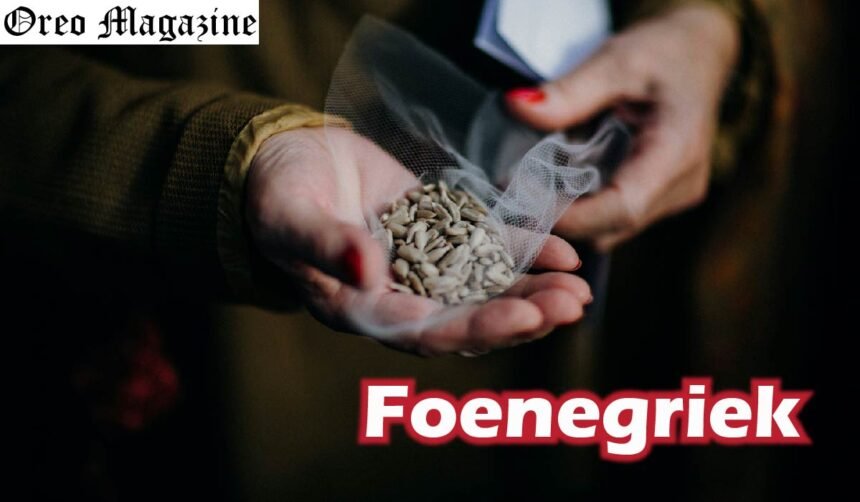
Foenegriek, widely recognized as fenugreek, is a traditional herb valued for both nutrition and culinary depth. The plant belongs to the legume family and produces fragrant seeds and leafy greens used across global cuisines and herbal practices. Interest in foenegriek continues rising because more people now explore natural wellness ingredients that support balanced lifestyles. Its rich nutrient profile and distinctive flavor make it highly relevant in modern food culture and wellness discussions.
For centuries, foenegriek has appeared in traditional medicine systems, household remedies, and regional cooking traditions. Ancient communities appreciated the herb for its warming nature, digestive support, and nourishing qualities. Today, wellness communities, nutrition researchers, and culinary experts continue studying and using the plant in different ways. Moreover, its recognizable maple-like aroma and earthy flavor strengthen its popularity in kitchens worldwide.
What Is Foenegriek?
Foenegriek is an annual herb scientifically called Trigonella foenum-graecum. It belongs to the Fabaceae plant family and develops green leaves, delicate flowers, and aromatic golden seeds. Although the seeds receive the most attention, the leaves also hold strong culinary value across several food cultures. The herb remains unique because it combines flavor, nutrition, and traditional wellness relevance in one plant.
The seeds carry a warm taste with slight bitterness and sweetness. Many people compare the aroma to maple syrup, caramel, or toasted nuts. Fresh leaves provide a softer earthy flavor commonly added to soups, curries, flatbreads, and rice dishes. Dried leaves also appear in spice mixes and savory sauces because they add concentrated aroma and depth.
The History and Origin of Foenegriek
The story of foenegriek stretches back to ancient agricultural civilizations around the Mediterranean, North Africa, and South Asia. Historical records show that communities cultivated the herb for food, herbal applications, and livestock nutrition. Because the plant adapted well to different climates, trade routes helped spread its use across continents over many centuries.
Ayurvedic traditions valued foenegriek for digestion, warmth, vitality, and postpartum nourishment. Middle Eastern and Indian cuisines integrated the herb deeply into daily meals and spice preparations. Additionally, traditional healers appreciated the seeds because of their nutrient density and aromatic qualities. These cultural traditions strengthened the herb’s long-term importance within both food and wellness practices.
Nutritional Value of Foenegriek
Foenegriek provides a concentrated combination of fiber, minerals, protein, vitamins, and plant compounds. Although most recipes use small quantities, the nutritional density remains impressive. This rich composition contributes strongly to its modern wellness reputation.
| Nutrient | Amount Per 100g |
|---|---|
| Calories | 323 kcal |
| Protein | 23 g |
| Fiber | 25 g |
| Iron | 33 mg |
| Magnesium | 191 mg |
| Vitamin B6 | 0.6 mg |
| Manganese | 1.2 mg |
The fiber content supports digestive regularity and may help increase satiety after meals. Protein and minerals also contribute to nutritional balance within plant-focused diets. Furthermore, antioxidant compounds and phytochemicals strengthen interest in the herb among nutrition researchers and wellness communities.
Active Compounds in Foenegriek
Several natural compounds contribute to the scientific and nutritional attention surrounding foenegriek. Saponins remain one of the most discussed groups because researchers connect them with metabolic and cholesterol-related studies. Flavonoids additionally contribute antioxidant activity that may support cellular resilience.
The seeds also contain alkaloids such as trigonelline, which scientists continue exploring in metabolic research. Galactomannan fiber helps slow digestion and carbohydrate absorption, supporting discussions about blood sugar balance. Antioxidant compounds may also help reduce oxidative stress associated with environmental and lifestyle factors.
Health Benefits of Foenegriek
Many people use foenegriek because of its potential supportive role in digestive and metabolic wellness. One major area of interest involves blood sugar regulation. The fiber and plant compounds within the seeds may contribute to steadier glucose absorption after meals. Nevertheless, individuals managing medical conditions should seek professional guidance before using concentrated supplements regularly.
Digestive wellness represents another traditional application of foenegriek. The soluble fiber and mucilage may support comfortable digestion and healthy bowel function. Additionally, soaked seeds and herbal tea preparations remain popular in traditional wellness routines for digestive support and appetite management.
Foenegriek for Blood Sugar and Metabolism
The galactomannan fiber within foenegriek may influence how carbohydrates move through digestion. Slower absorption can contribute to steadier post-meal blood sugar responses for some individuals. Researchers also continue examining whether certain compounds support insulin sensitivity and broader metabolic function.
Some people consume foenegriek before meals through soaked seeds, tea, or powdered preparations. However, the herb should complement healthy nutrition and professional care rather than replace medical treatment. Individuals using glucose-lowering medication should monitor carefully because natural supplements may influence blood sugar responses.
Also Read : Antarvacna: Meaning, Benefits, Practice & Inner Voice
Foenegriek for Digestive Health
Traditional wellness systems often included foenegriek in digestive support practices because of its soothing fiber content. The seeds create a gel-like texture when soaked, which many people associate with digestive comfort and balanced gut function.
Foenegriek tea and soaked seeds remain popular in several cultures for mild digestive support. Many individuals appreciate these simple preparations because they align naturally with balanced eating habits and traditional wellness routines. However, excessive intake may cause bloating or discomfort in sensitive users.
Culinary Uses of Foenegriek
Foenegriek plays an important role in several global cuisines because of its distinctive flavor and aroma. The seeds commonly appear in spice blends, curries, sauces, pickles, and lentil dishes. Toasting the seeds before cooking softens bitterness while creating deeper warmth and complexity.
Fresh leaves work well in rice dishes, soups, breads, and savory vegetable preparations. Dried leaves also add concentrated aroma to creamy sauces and curries. Some people additionally prepare foenegriek tea using crushed or soaked seeds. The herb’s maple-like scent makes it especially recognizable in traditional cooking.
Side Effects and Safety Considerations
Foenegriek remains generally safe when consumed moderately through normal food use. However, concentrated supplementation may sometimes cause digestive discomfort, gas, or stomach irritation. People sensitive to legumes should also remain cautious because allergic reactions can occur.
Individuals using blood sugar medications should consult healthcare professionals before using high-dose preparations regularly. Pregnant women should additionally avoid concentrated intake without medical advice because certain compounds may affect uterine activity. Responsible and informed usage remains important for long-term safety.
Growing Foenegriek at Home
Foenegriek grows successfully in warm climates with sunlight and well-drained soil. The plant adapts well to gardens, containers, balconies, and indoor spaces with adequate light. Seeds germinate quickly and often produce harvestable leaves within a month.
| Growing Factor | Requirement |
| Sunlight | Full sunlight |
| Soil | Fertile well-drained soil |
| Water | Moderate watering |
| Spacing | 5–6 inches |
| Harvest Time | 30–40 days |
Consistent moisture supports healthy growth, although overwatering may damage roots. Harvesting leaves regularly also encourages continued production throughout the growing cycle.
Scientific Research on Foenegriek
Modern scientific interest in foenegriek continues expanding across metabolic, digestive, and nutritional research areas. Some studies explore blood sugar support, cholesterol balance, appetite regulation, and antioxidant activity. However, findings remain mixed because preparation methods, dosages, and participant differences vary considerably.
Researchers continue emphasizing the importance of larger clinical studies before confirming stronger conclusions. Therefore, foenegriek works best as one supportive element within a balanced wellness lifestyle rather than as a standalone solution.
Final Thoughts
Foenegriek remains one of the most versatile herbs within culinary and wellness traditions worldwide. Its nutritional richness, cultural history, practical uses, and distinctive flavor continue attracting interest among health-conscious communities. Additionally, the herb supports cooking, gardening, and natural wellness simultaneously, making it especially valuable in balanced lifestyles.
Although foenegriek shows promising wellness potential, moderation and informed understanding remain essential. Combining traditional knowledge with modern scientific awareness creates a more balanced perspective on its role within healthy living. Ultimately, foenegriek works best alongside nutritious eating, physical activity, restorative sleep, and sustainable wellness habits.
FAQs
What Is It Commonly Used For?
Foenegriek is commonly used for cooking, herbal wellness, and digestive support. People often add the seeds and leaves to curries, teas, spice blends, and natural wellness routines. Many individuals also use foenegriek because of its fiber content and traditional role in metabolic and digestive health practices.
Is It the Same as Fenugreek?
Yes, foenegriek and fenugreek refer to the same plant. Foenegriek is the Dutch name for fenugreek, scientifically known as Trigonella foenum-graecum. The herb belongs to the legume family and is widely used in culinary and herbal traditions worldwide.
Can It Help Support Digestion?
It contains soluble fiber and mucilage that may support comfortable digestion and bowel regularity. Traditional wellness systems often used soaked seeds and herbal teas for digestive comfort. However, responses vary between individuals, and balanced consumption remains important.
How Can You Use It in Daily Meals?
People commonly use foenegriek seeds in curries, soups, sauces, lentils, and spice mixes. Fresh or dried leaves also work well in breads, vegetables, and rice dishes. Some individuals additionally prepare foenegriek tea or add powdered seeds to smoothies and wellness recipes.
Are There Any Side Effects of It?
It remains generally safe when consumed moderately through food. However, excessive intake may cause bloating, stomach discomfort, or digestive irritation in some people. Individuals with legume allergies, pregnancy concerns, or blood sugar medications should consult healthcare professionals before using concentrated supplements regularly.
Visit For More Info : Oreo Magazine