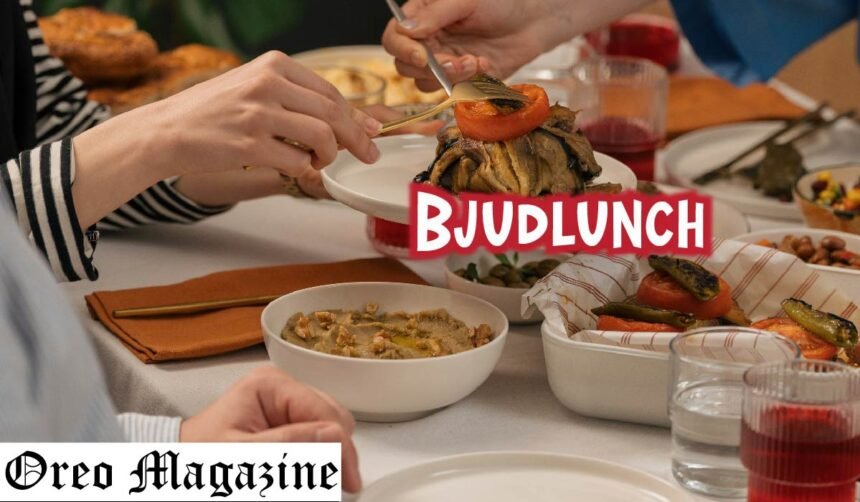
Bjudlunch refers to a Swedish-style lunch invitation that carries deeper social meaning than a typical meal. One person invites another individual or a small group and usually pays for the lunch. However, the idea extends far beyond food or cost. It represents connection, mutual respect, and thoughtful hospitality. In today’s world, interest in Scandinavian culture continues to grow, which explains the rising curiosity around this concept. At the same time, professionals look for more genuine ways to build relationships. Traditional networking often feels rigid and impersonal, so this approach feels refreshing. It creates a relaxed environment where real conversations can happen naturally. Because of this, the idea plays an important role in friendships, work relationships, and modern business interactions.
What Does Bjudlunch Mean
The term Bjudlunch comes from the Swedish word “bjuda,” which means to invite or offer something to someone. In simple terms, it describes inviting someone to lunch. In most situations, the person who extends the invitation also pays. However, the meaning depends on context and intention. A normal lunch might involve sharing costs or casual planning. In contrast, this invitation carries a clearer message of hospitality. The host takes responsibility, which removes any uncertainty about payment. As a result, the guest can relax and focus on the interaction. This makes the experience feel intentional and welcoming. The value lies in shared time and genuine presence rather than formality or expense.
The Cultural Meaning Behind Bjudlunch
This lunch practice reflects important values within Swedish society. Simplicity and balance remain central to social behavior. People often avoid excessive displays and prefer modest gestures. Therefore, this type of invitation usually feels natural and unpretentious. It does not aim to impress through luxury. Instead, it demonstrates kindness through a thoughtful act. Equality also plays a key role, as the experience should not create pressure or obligation. The guest should feel comfortable rather than indebted. In addition, personal space and boundaries are respected. A good host ensures the invitation feels easy to accept. This balance creates a meaningful interaction without making it overwhelming.
Why Bjudlunch Is Gaining Attention
Interest in this concept continues to grow beyond Sweden for several reasons. Many people feel drawn to Scandinavian ways of living, which emphasize balance and well-being. Furthermore, workplaces now require better ways to build trust and communication. Formal meetings often feel rushed and distant. A relaxed lunch creates a more natural setting for discussion. In addition, modern networking trends are shifting toward authenticity. People prefer honest conversations instead of transactional exchanges. Digital communication also dominates daily life, which increases the value of in-person interaction. Because of these changes, this lunch approach feels practical and relevant in many cultures today.
Bjudlunch as a Simple Social Gesture
A simple lunch invitation can strengthen relationships in a meaningful way. It offers time to talk without pressure or strict structure. Unlike formal gatherings, lunch feels familiar and easy to arrange. People often feel more relaxed during a shared meal. This allows conversations to flow naturally. The meal itself supports the interaction but does not control it. Friends can reconnect, and colleagues can understand each other better. In addition, the gesture shows care without requiring a special occasion. Sometimes, the most effective actions are simple and genuine. That simplicity makes the experience memorable.
Bjudlunch and Swedish Hospitality
Swedish hospitality focuses on clarity, respect, and subtle warmth. A host usually aims to avoid making guests uncomfortable. Therefore, the invitation should feel clear from the beginning. When the host offers to pay, it removes any confusion. This clarity helps create a relaxed environment. The goal is not to display status or generosity in a dramatic way. Instead, the focus remains on creating a comfortable experience. Simple settings often work best, such as cafés or casual restaurants. Even a home setting can feel appropriate. The emphasis stays on connection rather than presentation.
Bjudlunch in Everyday Life
In daily life, this type of lunch fits many different situations. Friends may use it to reconnect after a busy period. Family members may choose it to spend quality time together. Neighbors might invite each other as a welcoming gesture. People may also use it to express appreciation or gratitude. In each case, the invitation carries a thoughtful intention. The meal provides a reason to pause and interact. It removes the need for complicated planning. Compared to dinner events, lunch often feels easier to schedule. This makes it suitable for people with busy routines. As a result, it becomes a practical part of everyday interaction.
Bjudlunch in the Workplace
In professional environments, this lunch approach supports better communication. Managers can invite team members for informal discussions. This helps reduce distance between leadership and employees. Colleagues can also use lunch to strengthen working relationships. Teams may welcome new members through a relaxed meal. Small achievements can be acknowledged without formal events. These interactions help improve morale and create a sense of belonging. However, the invitation must always remain respectful. Participation should feel optional, not required. A workplace lunch should encourage openness rather than control. When handled properly, it improves workplace culture naturally.
Bjudlunch in Business Networking
Traditional networking often feels structured and uncomfortable. This lunch concept offers a more relaxed alternative. It creates a setting where people can speak openly. Instead of focusing on quick results, the conversation can develop naturally. Freelancers can build trust with clients through informal meetings. Entrepreneurs can connect with partners or advisors more effectively. Consultants and agencies can develop stronger relationships over time. However, the interaction should not become overly sales-driven. The main goal remains understanding and connection. This approach often leads to better long-term outcomes.
How Bjudlunch Works
The process remains simple and easy to follow. First, choose the right person or small group. One-on-one meetings work best for deeper discussions. Small groups are useful for team interaction. Next, make the invitation clear and friendly. Then, select a comfortable location. Options include cafés, restaurants, or even home settings. The meal should remain simple and practical. Finally, handle payment smoothly to avoid awkwardness. This straightforward process keeps the experience relaxed and enjoyable.
Bjudlunch Etiquette
Proper etiquette ensures a positive experience for everyone. The host should clearly communicate the invitation. Punctuality shows respect for time. Asking about dietary needs demonstrates consideration. During the meal, conversation should remain balanced. No one should feel pressured or uncomfortable. The interaction should not turn into a business pitch. After the meal, a simple thank-you message adds a thoughtful touch. These small details help maintain the spirit of the gesture.
Also Read : Türk Idla: The New Trend Shaping Turkish Youth Culture
What to Serve at a Bjudlunch
Food choices should remain simple and enjoyable. Sandwiches and salads work well for light meals. Soups provide comfort and warmth. Fish or chicken dishes suit more complete lunches. Vegetarian options should always be available. Coffee and a light dessert can complete the experience. Traditional Swedish-style meals often include simple ingredients. However, the focus should not shift toward complexity. The meal should support the conversation rather than dominate it.
Seasonal Bjudlunch Menu Ideas
Seasonal planning keeps meals fresh and appropriate. Spring meals may include fish and fresh vegetables. Summer dishes often focus on light salads and fruits. Autumn menus may include warm vegetables and baked dishes. Winter meals usually involve soups and hearty options. Seasonal ingredients help maintain quality and reduce cost. They also add a thoughtful element to the experience.
Hosting Bjudlunch at Home
Home hosting creates a personal and comfortable atmosphere. A small group encourages better interaction. Simple table settings work best. Preparing food in advance reduces stress. Comfortable seating supports easy conversation. Clean and welcoming spaces matter more than perfection. The goal is to create a relaxed environment. Guests should feel at ease rather than managed.
Hosting Bjudlunch at Work
Workplace hosting requires careful planning. Neutral locations often work best. Timing should fit within the workday. Conversations should remain appropriate and inclusive. Invitations should not create pressure. The focus should remain on appreciation and connection. Proper handling can improve communication and trust within teams.
Bjudlunch for Remote Teams
Remote teams can adapt this idea creatively. Companies can provide meal credits or vouchers. Virtual lunch sessions can replace physical meetings. Small group calls often feel more personal. Informal discussions help reduce isolation. Even in digital settings, the focus remains on connection.
Benefits of Bjudlunch
This practice offers many advantages. It builds trust through personal interaction. It improves communication in relaxed settings. Reduces social tension by clarifying expectations. It supports stronger workplace relationships. It also creates meaningful personal moments. Simple actions can leave lasting impressions. Therefore, this approach remains valuable in modern life.
Bjudlunch vs Regular Lunch Invitation
| Feature | Bjudlunch | Regular Lunch |
|---|---|---|
| Purpose | Connection and goodwill | General meal |
| Payment | Handled by inviter | Often shared |
| Tone | Thoughtful | Varies |
| Meaning | Stronger social gesture | Casual |
Bjudlunch vs Fika
Fika focuses on coffee and small snacks. This lunch concept centers on a full meal. Both support social interaction, but they serve different purposes.
Common Mistakes to Avoid
Avoid making the meal overly expensive. Always clarify payment expectations. Do not use the lunch only for personal gain. Respect dietary preferences. Avoid turning the meal into a formal meeting. Keep the experience simple and natural.
Is Bjudlunch Only Swedish
The term is Swedish, but the idea applies globally. Many cultures share similar traditions. However, this concept reflects Scandinavian values of balance and simplicity.
Why Bjudlunch Matters Today
Modern life often limits meaningful interaction. This approach creates space for real connection. It encourages people to slow down and engage. Small gestures can strengthen relationships significantly.
How to Plan Your First Bjudlunch
Choose the guest and purpose carefully. Send a clear invitation. Select a comfortable location. Keep the meal simple. Handle payment smoothly. Follow up with a kind message.
Conclusion
Bjudlunch represents more than a meal. It reflects connection, respect, and thoughtful interaction. Its simplicity makes it powerful. It can improve relationships in personal and professional settings. In today’s fast-paced world, such gestures matter more than ever.
FAQs
What does Bjudlunch mean
Bjudlunch refers to a Swedish-style lunch invitation where one person invites another and usually pays for the meal. It represents hospitality, connection, and thoughtful social interaction rather than just eating together.
Why is It important in social life
Bjudlunch plays an important role because it helps people build stronger relationships in a relaxed setting. It allows meaningful conversations without pressure, which improves personal and professional connections.
Who should pay during a Bjudlunch
In most cases, the person who extends the invitation covers the cost. This removes confusion and creates a comfortable environment for the guest, allowing them to focus on the experience.
Can It be used in the workplace
Yes, Bjudlunch works very well in professional environments. It helps improve communication, reduce hierarchy, and build trust between colleagues, managers, and teams.
How is It different from a regular lunch
Bjudlunch differs from a regular lunch because it carries a clear intention of generosity and connection. The inviter usually pays, and the focus remains on building relationships rather than simply sharing a meal.
Visit For More Info : Oreo Magazine