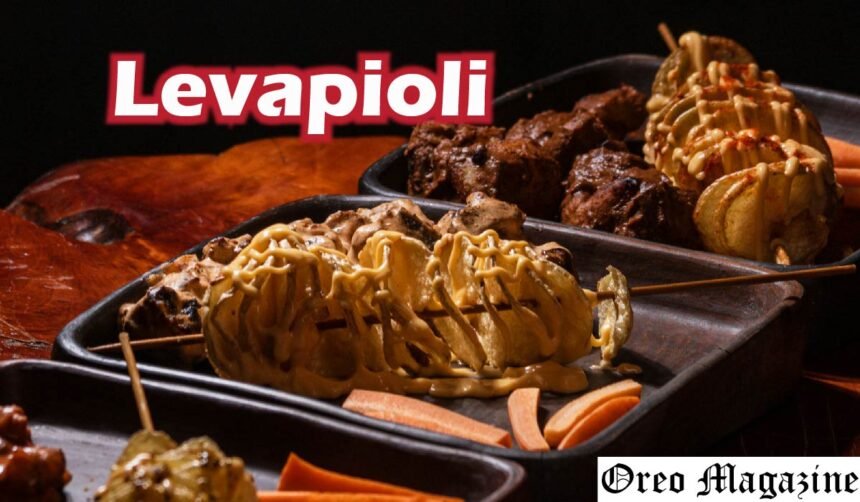
Levapioli has started attracting attention across several online industries because the word connects with multiple meanings at the same time. Some internet users discover Levapioli while researching automotive repair tools for removing clips, trim pieces, and dashboard fasteners. Others encounter the term through Balkan-inspired food content that discusses grilled minced-meat dishes similar to ćevapi. At the same time, modern branding articles and innovation discussions also use Levapioli as a symbolic idea connected with flexibility, creativity, and adaptive thinking. Because these interpretations appear together online, many readers initially feel uncertain about the real meaning behind the keyword.
However, the surrounding topic usually reveals the correct explanation quickly. In practical situations, Levapioli may describe a trim-removal tool, a traditional-style grilled meat recipe, or a conceptual framework linked with innovation and modern systems. This combination of meanings explains why the keyword now appears across food blogs, automotive websites, digital branding discussions, and SEO-focused articles. As search engines continue analyzing mixed user intent, Levapioli keeps expanding as a broad and evolving online term. Therefore, readers increasingly want one complete resource that explains every major interpretation clearly and simply.
What Is Levapioli?
Levapioli is a flexible keyword with several different meanings depending on the subject being discussed. Within automotive repair, Levapioli commonly describes a specialized tool used for lifting clips, removing fasteners, separating trim panels, and handling delicate upholstery attachments safely. In culinary discussions, Levapioli refers to a Balkan-style grilled meat dish made from seasoned minced meat shaped into small rolls before cooking. Meanwhile, some innovation and branding articles present Levapioli as a modern idea associated with adaptability, modular systems, and creative problem-solving methods.
Because all three meanings continue appearing online, many people feel confused when they first encounter the term. However, nearby keywords often clarify the intended definition quickly. Searches connected with dashboards, pins, fasteners, clips, or trim panels usually indicate the automotive meaning. Searches mentioning recipes, grilled meat, or Balkan cuisine typically point toward the food interpretation. Meanwhile, discussions involving innovation, branding, or flexible systems generally reference the conceptual meaning. Understanding these contextual clues helps readers identify the correct interpretation without difficulty.
Why Does Levapioli Have Different Meanings Online?
Levapioli developed multiple online meanings because different industries adopted the keyword independently over time. Food blogs introduced it as a Balkan-inspired grilled meat dish, while automotive repair sites connected it with trim and fastener removal tools. In addition, some creative branding discussions later used Levapioli as a symbolic expression for flexibility, adaptability, and modern innovation thinking. Search engines now group these meanings together because algorithms analyze related topics, semantic relationships, and overlapping user searches.
This process often happens when newer or less-established terms spread across unrelated industries simultaneously. Furthermore, artificial intelligence systems sometimes merge these interpretations within the same search results page, which increases curiosity among readers. Consequently, users may encounter automotive guides, recipes, and conceptual discussions during the same browsing session. This unusual combination explains why Levapioli continues generating interest online throughout 2026.
Levapioli as an Automotive Tool
The most practical and technically established interpretation of Levapioli relates to automotive trim and fastener removal. In this context, Levapioli describes a tool specifically designed for removing clips, pins, plastic fasteners, upholstery retainers, dashboard panels, and door trim safely. Mechanics, DIY vehicle owners, and workshop technicians regularly use these tools because modern cars contain delicate clips that break easily under incorrect pressure.
Unlike regular pliers, Levapioli tools spread force more evenly around the fastener, which reduces damage and protects nearby surfaces. Furthermore, these tools simplify repairs involving audio systems, dashboard replacements, upholstery adjustments, and body panel work. Many professionals consider Levapioli-style tools essential because newer vehicles rely heavily on hidden plastic fasteners that require careful handling. Therefore, the automotive meaning remains one of the strongest and most useful interpretations connected with the keyword today.
How a Levapioli Tool Works
A Levapioli tool works through controlled leverage rather than direct pulling force. The thin edge slides underneath a clip, trim piece, or fastener head before lifting gradually with balanced pressure. This technique protects the surrounding material while loosening stubborn components safely. Proper handling remains extremely important because excessive force can still crack clips or scratch nearby surfaces.
Most experienced technicians recommend beginning with a shallow insertion angle before increasing pressure slowly and evenly. Furthermore, users should always inspect the fastener type before removal because some systems contain hidden locks or screw mechanisms. Nylon versions work especially well on interior surfaces because softer materials reduce scratching risks significantly. Beginners often damage panels by twisting aggressively or pulling too quickly. However, steady movement and patience usually produce clean results without unnecessary breakage.
Types of Levapioli Tools
Several Levapioli tool designs exist for different repair environments and material types. Nylon trim tools work best for interior dashboards, painted surfaces, infotainment panels, and delicate upholstery because they minimize scratching and cosmetic damage. Stainless steel versions provide stronger leverage for exterior clips, stubborn fasteners, and workshop-level body repairs where additional force becomes necessary.
Clip remover pliers specialize in upholstery retainers and push-pin fasteners, while larger trim-removal kits combine multiple tool shapes for mixed repair situations. General fastener pullers also support woodwork, electronics, and furniture assembly tasks beyond automotive repair. Choosing the correct tool depends heavily on the clip material, repair location, and required leverage strength. Consequently, many professional mechanics prefer carrying several Levapioli tool variations instead of relying on one universal option for every task.
Levapioli vs Regular Pliers
Levapioli tools provide greater precision and safer handling compared with standard pliers during trim and fastener removal. Regular pliers focus pressure directly onto one small contact point, which often cracks plastic clips, bends fasteners, or scratches surrounding panels. In contrast, Levapioli tools distribute leverage beneath the fastener more evenly, reducing damage risks significantly.
Furthermore, pliers struggle with hidden clips because bulky gripping angles limit access inside narrow spaces. Levapioli tools solve this issue through slim profiles and specialized edges that slide beneath tightly fitted panels more easily. While pliers may still help with already-loosened components, they remain less suitable for delicate trim work overall. Therefore, automotive professionals usually choose dedicated trim-removal tools for cleaner and safer results.
Levapioli as a Balkan-Style Food
Levapioli also appears in culinary discussions as a Balkan-inspired grilled meat dish connected with ćevapi traditions. The dish usually combines minced beef, lamb, garlic, onion, paprika, salt, and black pepper before shaping the mixture into small sausage-like portions for grilling. Unlike traditional sausages, Levapioli contains no outer casing. Instead, cooks shape the meat by hand before cooking over open heat or charcoal grills. This process creates smoky flavor, juicy texture, and lightly charred edges that many people find satisfying and comforting. Furthermore, modern home cooks increasingly enjoy Levapioli because the recipe remains simple, flexible, and beginner-friendly. Its growing popularity across recipe blogs and social media reflects rising global interest in Balkan food traditions.
Origin and Cultural Background of Levapioli Food
The food interpretation connected with Levapioli traces back to Balkan culinary traditions shaped by centuries of open-fire cooking. Ottoman influence introduced many grilled minced-meat dishes throughout the region, where travelers, workers, and families relied on simple but flavorful meals prepared quickly over charcoal. Shared grilling traditions later became important social experiences connected with family gatherings, celebrations, and street-food culture. While ćevapi remains the historically recognized traditional name, Levapioli appears as a newer adaptation used within modern internet content and recipe discussions. Mediterranean influences also contributed through spice combinations, bread pairings, and serving methods. Today, Levapioli represents both historical Balkan heritage and modern culinary experimentation, which helps maintain its growing popularity internationally.
Key Ingredients Used in Levapioli Recipes
Levapioli recipes depend on simple ingredients that create strong flavor through balance rather than complexity. Ground beef or mixed beef-and-lamb combinations form the primary base. Garlic and onion add aroma, moisture, and depth, while paprika contributes warmth and color. Salt and black pepper strengthen the savory profile naturally without overpowering the meat itself. Some cooks also include parsley, rosemary, or oregano for freshness and additional aroma. Baking soda and sparkling water occasionally appear because they improve tenderness and texture during grilling. Traditional serving combinations often include flatbread, yogurt sauce, chopped onions, ajvar, grilled vegetables, or light salads. Together, these ingredients create a meal that feels hearty, satisfying, and approachable for beginners.
How to Make Levapioli at Home
Preparing Levapioli at home requires only a few straightforward steps. First, combine minced meat with garlic, onion, paprika, salt, pepper, and optional herbs inside a large bowl. Mix gently until the ingredients distribute evenly without overworking the texture. Next, refrigerate the mixture for at least one hour because resting improves flavor and consistency. After chilling, shape the mixture into small rolls using slightly damp hands. Heat a grill or grill pan over medium-high temperature before placing the meat onto the cooking surface. Turn the pieces regularly so every side develops light char marks evenly. Once cooked, allow the meat to rest briefly before serving. This process preserves moisture while maintaining the smoky grilled flavor that defines the dish. Beginners often succeed quickly because the recipe remains practical and forgiving.
Also Read : Bodenxt: Smart Urban Growth and Green Innovation
What Does Levapioli Taste Like?
Levapioli delivers a smoky, savory, and juicy flavor profile with lightly crisped edges and tender interior texture. Beef-heavy recipes create deeper richness, while lamb mixtures produce slightly earthier notes. Garlic, onion, and paprika enhance the overall taste without overwhelming the natural meat flavor. Furthermore, charcoal grilling adds distinct smokiness associated with traditional Balkan street food. Serving additions such as onions, yogurt sauce, flatbread, or ajvar introduce freshness and balance that complement the grilled meat well. Consequently, Levapioli appeals to both casual diners and dedicated food enthusiasts because the flavor feels comforting yet memorable.
Best Ways to Serve Levapioli
Levapioli adapts easily to both traditional and modern serving styles. Traditional presentations usually include flatbread, pita, chopped onions, yogurt sauce, and ajvar alongside the grilled meat. However, modern restaurants and food trucks now serve Levapioli inside wraps, rice bowls, sliders, sandwiches, and street-food combinations. Grilled vegetables, salads, fries, and roasted potatoes also pair naturally with the dish. Furthermore, some cooks add pickled vegetables or spicy sauces for extra contrast and texture. This serving flexibility helps Levapioli remain adaptable across many countries and food cultures without losing its original identity.
Health Benefits and Nutritional Value
Levapioli provides strong protein content along with iron, vitamin B12, and essential amino acids that support energy production and muscle maintenance. Grilling also reduces excess grease compared with deep frying methods. However, the final nutritional profile depends heavily on meat quality, sodium levels, serving portions, and side dishes. Leaner meat combinations improve balance, while fresh vegetables and lighter sauces create healthier meal options. Furthermore, moderation remains important because processed meats and excessive salt intake may reduce long-term health benefits. Balanced preparation usually creates the healthiest overall result.
Common Mistakes When Making Levapioli Food
Many beginners accidentally create dry texture by using overly lean meat mixtures with insufficient fat content. Overmixing the ingredients also creates dense consistency instead of tenderness. Another common mistake involves skipping resting time because the flavors need time to blend properly before cooking. Uneven shaping leads to inconsistent cooking, while excessively high heat burns the exterior before the center finishes cooking completely. Pressing the meat during grilling also removes valuable juices that preserve tenderness. Therefore, gentle handling, balanced heat, and patience remain essential for achieving successful results consistently.
Levapioli as a Modern Concept
Beyond automotive repair and food culture, Levapioli also appears as a symbolic concept connected with innovation, adaptability, and modular thinking. Some branding and creative discussions describe Levapioli as a representation of systems that evolve according to changing conditions instead of remaining rigid. Within this interpretation, the term reflects flexible problem-solving, responsive design, and interdisciplinary collaboration. Modern businesses increasingly value adaptability because markets, technologies, and consumer expectations shift rapidly. Consequently, Levapioli continues gaining attention as a conceptual framework linked with creative modern thinking.
Levapioli in Business and Innovation
Innovation-focused discussions often connect Levapioli with agile workflows, scalable systems, modular products, and cross-functional teamwork. Technology companies, creative agencies, and startups prioritize flexibility because rigid structures struggle to respond quickly to modern market changes. Therefore, Levapioli sometimes appears as a symbolic reference for adaptive business strategies and user-focused development. Examples may include modular smartphones, multifunctional furniture, scalable software platforms, or customizable products. Although this conceptual meaning remains less established than the food and automotive interpretations, it continues expanding within branding and innovation discussions online.
How to Know Which Levapioli Meaning You Need
The easiest way to identify the intended Levapioli meaning involves examining the surrounding context carefully. Searches mentioning trim panels, dashboards, clips, pins, upholstery, or fasteners usually indicate the automotive tool interpretation. Searches involving recipes, grilling, Balkan cuisine, meat dishes, or ćevapi point toward the culinary definition. Meanwhile, searches discussing innovation, creativity, adaptability, branding, or modular systems generally suggest the conceptual meaning. Therefore, nearby keywords usually provide immediate clarification.
Why Levapioli Is Trending in 2026
Levapioli continues trending online because it satisfies multiple search interests simultaneously. Automotive blogs, recipe websites, branding articles, and SEO discussions all contribute to its visibility. Furthermore, artificial intelligence systems frequently combine these meanings within search results, which increases user curiosity and search activity further. Many readers first encounter Levapioli unexpectedly and later search for clarification. This unusual multi-intent structure gives the keyword stronger visibility compared with ordinary single-topic terms.
Pros and Cons of It
Levapioli offers several strengths across its different meanings. As an automotive tool, it improves leverage, reduces clip damage, and protects delicate surfaces during repairs. Food dish, it provides rich flavor, easy preparation, and flexible serving options. As a conceptual idea, it encourages adaptability and creative problem-solving. However, confusion remains the largest disadvantage because readers may encounter unrelated interpretations unexpectedly. Inconsistent online usage also creates misunderstanding occasionally. Despite these challenges, growing curiosity continues strengthening Levapioli’s digital presence.
Final Thoughts
Levapioli remains one of the more unusual modern keywords because it connects with several unrelated meanings simultaneously. It may describe an automotive trim-removal tool, a Balkan-inspired grilled meat dish, or a flexible innovation concept linked with adaptability and creative thinking. Understanding the surrounding context helps readers recognize the intended meaning quickly and correctly. As online discussions continue growing throughout 2026, Levapioli will likely remain visible across food culture, automotive repair, branding, and innovation conversations for years ahead.