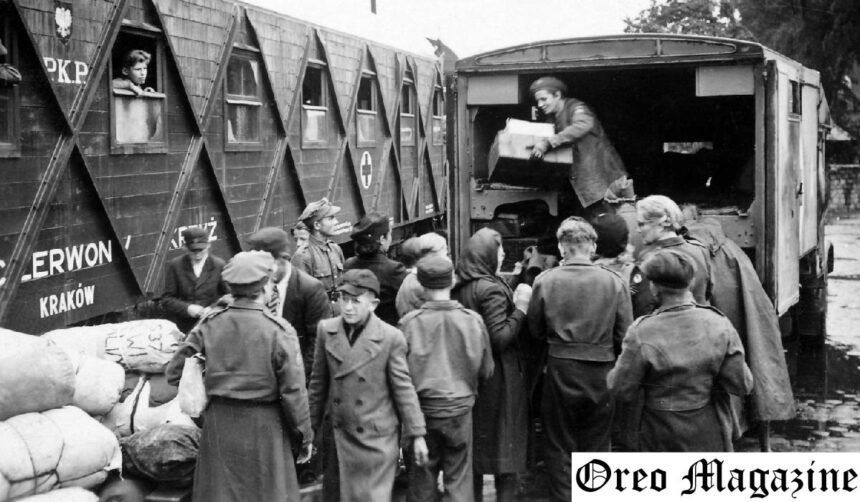
Fascisterne is a Danish term that translates to “the fascists” in English. The word refers to groups and individuals who supported fascist ideology during the twentieth century. Fascism emerged during a period of political chaos and economic hardship across Europe. Many citizens lost faith in democratic systems after World War I. Because of this uncertainty, authoritarian leaders gained attention by offering simple promises and strong national pride. Today, people still search for Fascisterne because the topic remains connected with dictatorship, propaganda, political extremism, and World War II history.
Furthermore, the subject helps readers understand how societies can change during periods of fear and instability. Fascist governments promoted order and unity, yet they often relied on censorship, violence, racism, and strict political control. Therefore, learning about Fascisterne provides important insight into both history and modern political debates.
What Does Fascisterne Mean?
The word Fascisterne comes from the Danish language and describes supporters of fascism. Fascism itself is a political ideology that values strong centralized leadership and national identity above personal freedom. Unlike democratic systems, fascist movements usually reject political opposition and public disagreement. The state becomes more important than individual rights. Therefore, the meaning of Fascisterne goes beyond a simple political label. It represents movements and governments that believed strict authority could solve national problems.
Many historians connect fascism with dictatorship, propaganda, militarism, and aggressive nationalism. At the same time, the term carries emotional weight because fascist rule caused suffering across Europe. Millions experienced persecution, war, displacement, and fear under fascist regimes. Because of this painful legacy, the term often appears in historical education and political discussion rather than casual conversation.
The Origins of Fascism
Fascism developed during the years following World War I. Europe faced severe economic and political difficulties during this period. Large numbers of soldiers returned home without employment opportunities. Inflation increased rapidly, while governments struggled to restore stability. Many citizens felt disappointed with democratic leaders because progress appeared slow and ineffective. In Italy, Benito Mussolini used public frustration to build support for fascism. He promised discipline, national pride, and renewed strength for Italy.
Later, Adolf Hitler used similar tactics in Germany. He blamed political opponents, minorities, and international agreements for Germany’s struggles. Spain also experienced the growth of authoritarian politics during this era. Fear of communism further increased support for radical nationalist movements. As a result, many citizens accepted strict leadership because they wanted stability and economic recovery.
Rise of Fascisterne in Europe
Fascisterne gained influence through political organizations, mass rallies, and public propaganda campaigns. Italian Fascism became one of the first successful fascist movements in Europe. Its leaders used dramatic speeches, military imagery, uniforms, and symbols to inspire loyalty. Large public gatherings created emotional excitement and national unity. Germany later developed a more extreme version through National Socialism. Nazi ideology combined fascist control with racial theories and territorial expansion. Across Scandinavia, smaller nationalist organizations adopted similar ideas and political styles.
Denmark also experienced the rise of fascist-inspired groups during the 1930s. The Danish National Socialist Workers’ Party became the most visible movement in the country. Frits Clausen eventually became its leading figure. Despite these efforts, most Danish citizens continued supporting democracy and parliamentary politics. Nevertheless, the spread of Fascisterne across Europe demonstrated how quickly extremist ideas could cross national borders.
Key Characteristics of Fascisterne
Several important beliefs defined Fascisterne movements throughout Europe. Extreme nationalism stood at the center of fascist ideology. Fascist groups argued that national interests should always come first. Individual freedoms became secondary to state authority. Authoritarian leadership also played a major role because fascist systems concentrated power around one dominant leader. Furthermore, militarism shaped fascist culture and politics. Military discipline, uniforms, and public demonstrations became symbols of strength and unity. Fascist movements also attacked free speech and political diversity.
Journalists, writers, teachers, and critics often faced intimidation or punishment. Propaganda supported these systems by spreading emotional messages and repeated slogans. Xenophobia and racism became additional features of many fascist governments. Minority groups frequently became targets of blame during national crises. Finally, fascist regimes promoted a cult of personality around political leaders. Citizens were encouraged to view leaders as heroic saviors of the nation.
How Fascisterne Used Propaganda
Propaganda became one of the most powerful tools used by Fascisterne movements. Governments relied on newspapers, radio broadcasts, posters, and public speeches to influence public opinion. Large rallies and military-style marches created visual displays of unity and power. Uniforms and national symbols reinforced emotional loyalty among supporters. Fascist leaders also targeted schools and youth organizations because they wanted younger generations to adopt their ideology early.
Repetition played a critical role in propaganda campaigns. The same messages appeared continuously until people accepted them as truth. At the same time, censorship removed opposing viewpoints from newspapers, books, and films. Governments limited independent journalism and controlled cultural expression. Fear also became part of propaganda strategy. Leaders warned citizens about internal enemies and foreign threats. Consequently, many people accepted strict political control because they believed it offered protection and stability.
Fascisterne and World War II
Fascisterne movements contributed directly to the outbreak of World War II. Fascist governments pursued territorial expansion, military growth, and political dominance across Europe. Germany invaded neighboring countries and expanded aggressively during the late 1930s and early 1940s. Italy also supported imperial ambitions and military campaigns. These actions created widespread destruction and instability. Occupied nations experienced censorship, forced labor, arrests, and violent repression.
Nazi Germany established concentration camps and carried out systematic genocide during the Holocaust. Millions of Jewish people lost their lives. Roma communities, disabled individuals, political opponents, and other minority groups also suffered persecution and death. Fascist dictatorship devastated cities, economies, and families throughout Europe. Therefore, historians continue studying this period because it demonstrates the dangers of unchecked political extremism and authoritarian rule.
Fascisterne in Danish History
Denmark holds special importance within discussions about Fascisterne because the term itself comes from Danish language and political history. Danish fascist movements appeared during the interwar period, although they remained smaller than similar organizations elsewhere in Europe. The DNSAP party admired Nazi Germany and attempted to introduce comparable ideas into Danish society. Germany occupied Denmark on April 9, 1940, during World War II.
Some collaborators supported German interests during the occupation years. However, many Danes quietly resisted fascist influence and foreign control. Resistance activity increased after 1943 as public frustration grew stronger. One of the most famous acts of Danish resistance involved rescuing Jewish citizens from deportation. Thousands escaped safely to Sweden with help from ordinary Danish citizens and fishermen. This rescue effort remains an important symbol of courage, humanity, and opposition to fascist persecution.
Resistance Movements Against Fascism
Resistance against fascist rule developed across many European countries during World War II. Underground groups distributed secret newspapers and gathered intelligence against occupying forces. Some citizens hid refugees, prisoners, and persecuted minorities despite serious personal risks. Civil disobedience also weakened fascist control in many regions. Workers slowed production, students organized protests, and local communities protected important information.
Danish resistance groups became especially active during the later years of occupation. Similar movements emerged throughout France, Poland, Norway, and other occupied nations. Many resistance members faced arrest, imprisonment, torture, or execution if discovered. Nevertheless, these individuals continued fighting because they believed freedom and human dignity deserved protection. Their actions demonstrated that authoritarian governments could never completely silence opposition or moral courage.
Also Read : Pabington: Meaning, Origin, Myths and Online Rise
Collapse of Fascist Regimes
Fascist regimes eventually collapsed through military defeat and internal weakness. Italy turned against Mussolini as Allied forces advanced across Europe. Hitler’s government also failed as Germany suffered devastating losses during the final years of the war. The defeat of Nazi Germany ended one of history’s darkest political periods. After the war, Europe faced enormous destruction and humanitarian crisis. Millions of refugees needed shelter, food, and medical care. International war crimes trials then prosecuted leading Nazi officials and collaborators.
The Nuremberg Trials established important legal principles regarding crimes against humanity and state responsibility. European countries later rebuilt democratic institutions and strengthened international cooperation. Human rights protections gained greater importance because many leaders wanted to prevent similar tragedies from returning.
Modern Manifestations of Fascisterne
Although traditional fascist regimes disappeared after World War II, similar extremist ideas still appear in modern society. Neo-fascist organizations continue promoting nationalism, conspiracy theories, and racial hostility in some regions. Social media platforms sometimes allow radical messages to spread quickly among frustrated individuals. Online misinformation can also encourage political polarization and public distrust. Some extremist groups attack journalists, democratic institutions, and minority communities.
However, historians caution against using the term fascism too casually because it carries specific historical meaning. Careful discussion remains important when comparing modern political movements with past authoritarian regimes. Still, studying Fascisterne helps modern societies recognize dangerous patterns early. These warning signs include glorifying violence, suppressing opposition, and encouraging hatred toward certain groups.
Lessons Modern Society Can Learn
The history of Fascisterne offers important lessons for modern societies around the world. Democracy depends on more than elections alone. Free speech, independent courts, honest journalism, and equal rights all help protect democratic systems. Education also remains essential because historical awareness reduces the risk of repeating past mistakes. Critical thinking allows citizens to challenge propaganda and misinformation.
Furthermore, societies must remain alert during periods of economic crisis and political instability because extremism often grows during uncertainty. Communities should reject hatred and protect minority groups from discrimination. Citizens also need courage to question leaders and defend democratic values. History cannot prevent future problems automatically, yet it can provide guidance and warning. Therefore, understanding fascism remains important for anyone interested in freedom, justice, and responsible government.
Fascism in Films, Books, and Documentaries
Modern films, books, and documentaries continue exploring fascism and World War II history because these topics remain historically significant. War films often present personal stories about survival, resistance, and persecution under dictatorship. Documentaries explain propaganda systems, military expansion, and the Holocaust in greater detail. Academic books also provide deeper historical research and factual analysis. For example, Schindler’s List introduced millions of viewers to Holocaust history and human courage during wartime. Similarly, The Rise and Fall of the Third Reich remains one of the best-known studies about Nazi Germany. Educational media helps readers and viewers understand the consequences of authoritarian power. However, audiences should still rely on credible research and historical evidence rather than misinformation found online.
Conclusion
Fascisterne represents an important chapter in modern political history. The term describes followers of fascist ideology, yet its meaning extends beyond politics alone. It reflects how fear, economic hardship, and social instability can influence entire nations. Fascist movements promised unity and national strength, although they frequently produced violence, censorship, racism, and war instead. At the same time, history also remembers acts of resistance, courage, and humanity during these difficult years. Citizens across Europe defended freedom despite enormous danger and sacrifice. Therefore, studying Fascisterne remains valuable today because democracy still requires protection and public awareness. Historical knowledge encourages critical thinking and helps societies recognize warning signs before extremism gains power again.